

Wisconsin Point sees first piping plover nesting in nearly 50 years
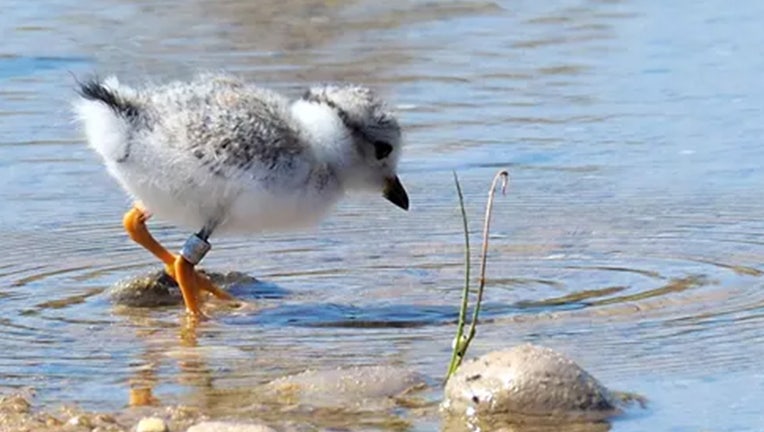
(National Park Service)
SUPERIOR, Wis. (FOX 6) - A couple of piping plovers, a type of migratory shorebird, have been spotted nesting on Wisconsin Point in Superior for the first time since 1977, according to the Wisconsin Department of Natural Resources (DNR).
Piping plovers in Wisconsin Point
Local perspective:
The piping plovers were observed nesting on an isolated stretch of sand and cobble, which was built to intentionally help recover the species population in the area.
"The news of a piping plover pair nesting here is a very significant milestone for this site," said Matt Steiger, DNR St. Louis River Area of Concern coordinator. "The habitat project that made this possible is an excellent example of how we can collaborate in a working harbor to restore endangered species habitat."
The U.S. Army Corps of Engineers, U.S. Fish and Wildlife Service, Wisconsin DNR, St. Louis River Alliance, and U.S. EPA (including funding from the Great Lakes Restoration Initiative), all helped with the restoration project. These groups invested $4.5 million into the site as a St. Louis River Area of Concern. Areas of concern are places along the Great Lakes that have been designated since 1987 as places that have been damaged and need extra care in order to restore them.
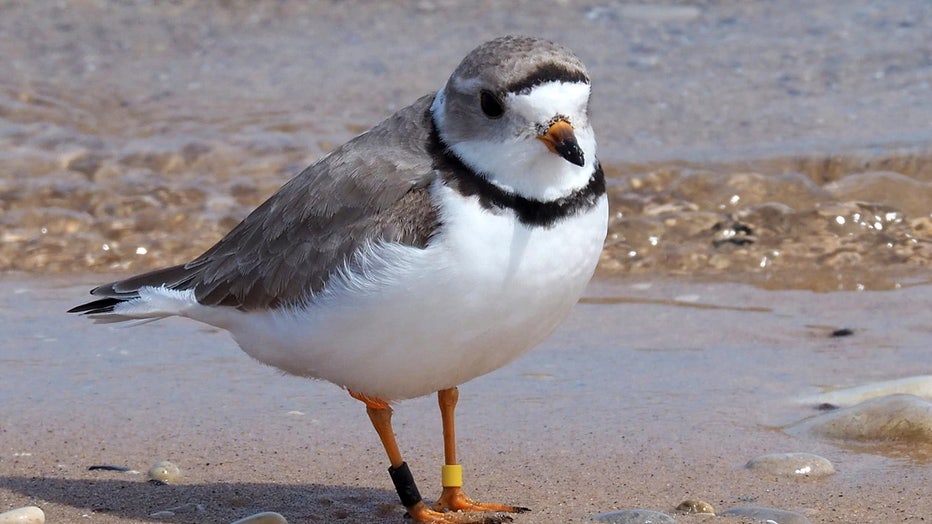
Piping plover by the shore (National Park Service)
The special area for the piping plovers was created using material that was taken from a navigational channel in Duluth-Superior Harbor in 2019. That material was then put along an existing state-owned Wisconsin Point Bird Sanctuary to create a new, ideal habitat for the endangered birds and encourage them to nest there. This area, which is monitored by the DNR, is closed to the public between April 1 and Aug. 24, so the piping plovers are undisturbed during their breeding season.
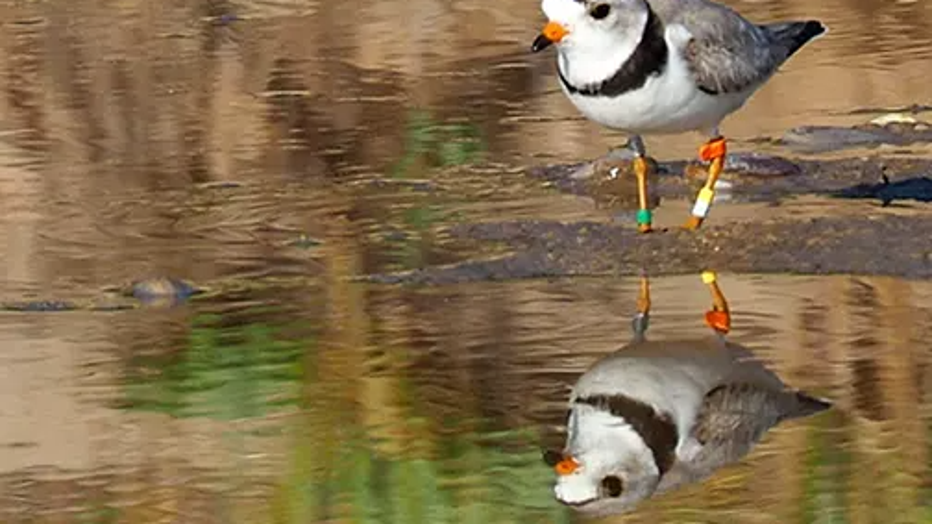
(National Park Service )
Dig deeper:
The local community doing their part has been instrumental in bringing back piping plovers, the DNR said. These organizations and the community have been working in tandem for 14 years to monitor habitats at Wisconsin Point Bird Sanctuary, as well as other areas in the estuary. Community outreach and education have also helped the community do its part in protecting piping plovers and keeping the habitat well-suited for them to nest. Volunteers from the St. Louis River Alliance help the Wisconsin DNR manage the site by removing unwanted vegetation, managing woody debris, and looking out for piping plovers.
Piping plovers' population on the rise
By the numbers:
Piping plovers' population in the Great Lakes has been on the rise. Record numbers of the bird have been counted, including 99 breeding pairs and at least 160 wild chicks fledged.
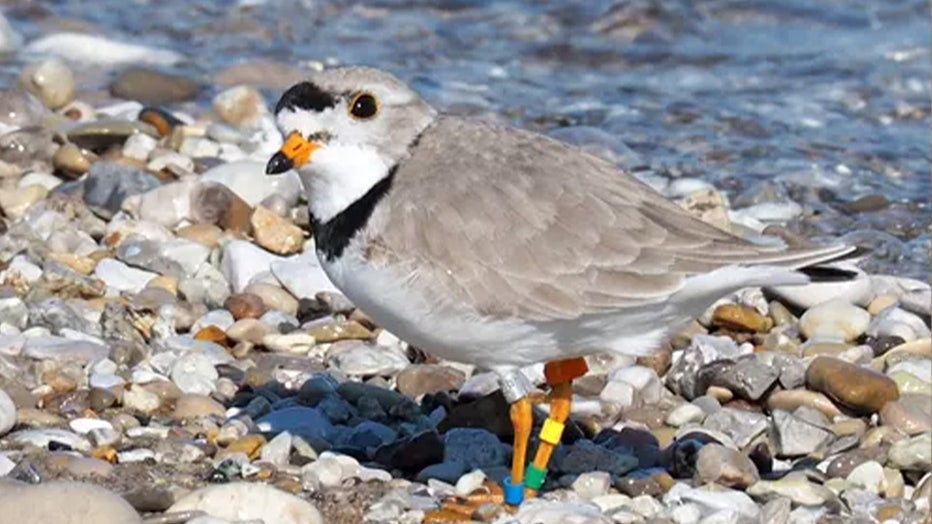
Other sites in Wisconsin that house piping plovers are Apostle Islands and two areas in lower Green Bay. These are the only four sites in the state that have nesting piping plovers. This year, the total number of Wisconsin piping plovers brought in includes 12 breeding pairs that fledged 14 young in the wild and four in captivity.
The species was listed as endangered in 1986 and has very particular habitat needs. Piping plovers require large expanses of sand dunes and beaches with limited human interference. There are only a few places like this in Wisconsin.
Helping protect piping plovers
What you can do:
The Great Lakes piping plovers are endangered for two key reasons, according to the National Park Service (NPS). These reasons include habitat loss and predation, as the types of beaches that the piping plovers need to nest are also desirable for human recreation. Dogs and cats can also be detrimental to piping plovers, as can wild predators, such as gulls, crows, raccoons, and foxes.

A piping plover egg
Here are some things you can do to help protect these endangered birds:
- Observe and obey the closed area fences. Watch and enjoy plovers from a distance.
- Keep dogs and other pets on leashes and out of areas of the beach closed to pets.
- Don’t feed gulls or leave food on the beach. This increases the gull population and attracts predators to the area that will also prey on piping plovers.
- If you find a plover family outside the fencing, give them some space. The small chicks can disappear quickly in sand or cobble and are easily stepped on.
- If you see anyone harassing piping plovers, please report it to the Wisconsin DNR.
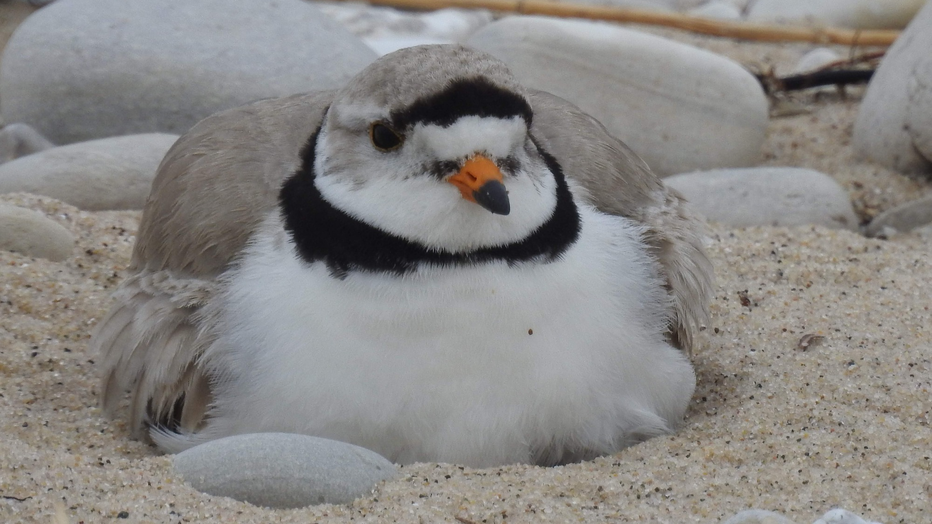
A resting piping plover on a beach
The Source: Information from this article comes from a press release by the Wisconsin DNR and the National Park Service. This article was reported from Eden Prairie, Minnesota.