

Historic fish discovery in Rouge River after species disappeared over 100 years ago
Finding fish in the Rouge River
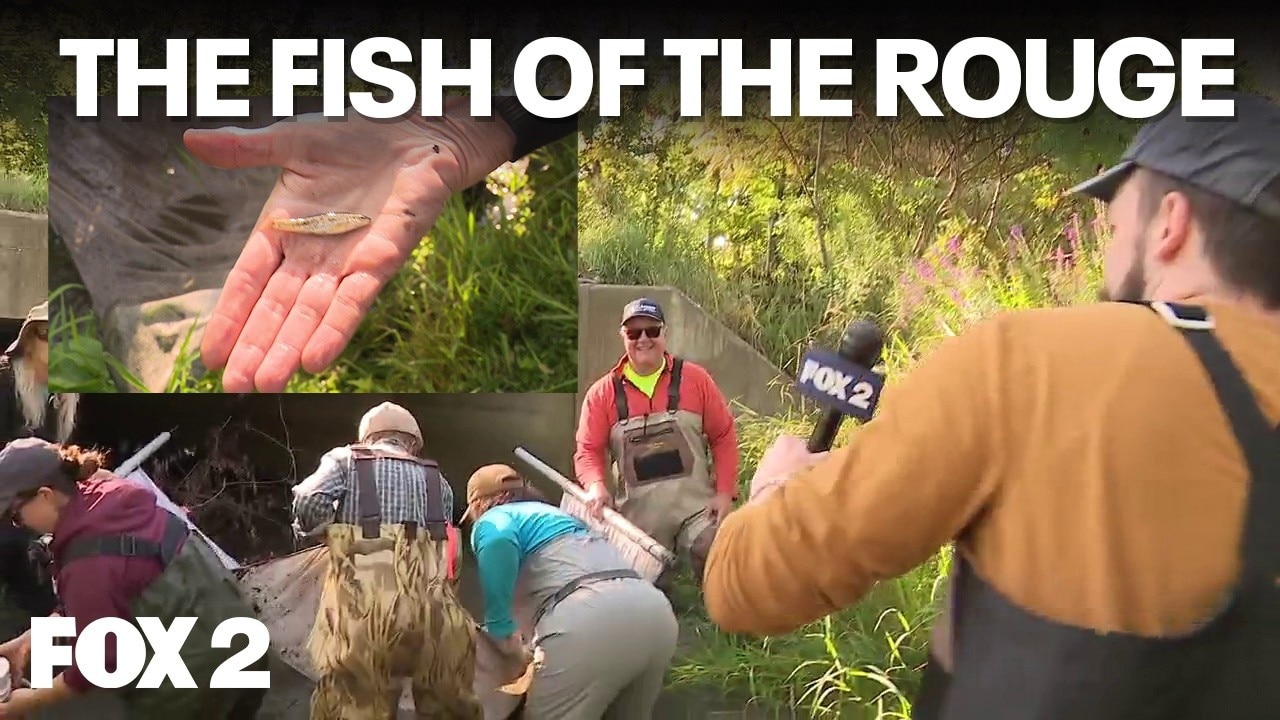
Creek chubs, darters, and crayfish? For such low water levels, the tributaries of the Rouge River are teeming with life. The Friends of the Rouge nonprofit surveys dozens of locations along the river every year, creating a database of the kinds of fish they find and their abundance.
(FOX 2) - Surveyors searching for fish in the Rouge River were doing one of their last scans of the watershed of 2026 when they uncovered a species not seen in that part of the river in more than a century.
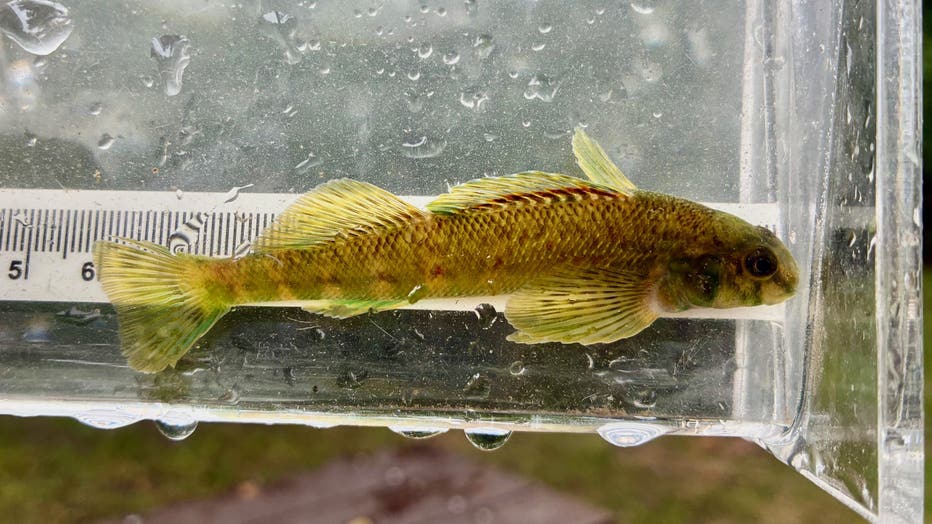
And Friends of the Rouge didn't just find one greenside darters, but several of them. On a day when they found the biggest diversity of fish species of the year, the discovery of a breeding population of greenside darters was the exclamation mark on a "banner year" for the nonprofit.
"We all were, yeah, beyond thrilled," said Lauren Eaton, a monitoring manager with Friends of the Rouge.
Fish Found in Area Where Species Had Disappeared
The backstory:
The last time the greenside darter was found in the lower Rouge River was in 1924. By 1941, it had completely disappeared from the entire watershed — a result of the waterway's industrialization and pollution.
Only with new regulations from the Clean Water Act and hundreds of millions of dollars in restoration has life begun to emerge in the mold of pre-industrialization.
"It’s really, again, decades long, millions of dollars of work that has gone into restoring the habitat enough to see this fish that we haven’t seen in a hundred years," Eaton said.
Cleaning it up has meant working on an extensive network of waterways that stretch from Troy and Canton to the Detroit River.
Eaton compared the watershed to a bathtub. The further downstream one goes, the more sediment and materials accumulate in it. That includes the pollutants that are added along the way.
Despite the greenside darter being one of the species that is least tolerant of pollutants, the Friends of the Rouge believe the species originated from the Detroit River, possibly swimming upstream.
‘We all were astounded’
Big picture view:
By late September, the Friends of the Rouge are normally done surveying for fish.
They hit approximately 20 sites a summer, wading into various depths of the watershed with a seine net to get a good idea of the abundance and diversity of fish species in each part of the river.
The survey on Sept. 17 was added after a chaotic summer forced them to reschedule some of their scans. It was the last survey of the year and included spots in Wayne and in Dearborn.
"We've sampled this site in particular at Fordfield Park a number of times and so we believe that we would have caught them if they had been there," Eaton said.
When they pulled the net up, volunteers didn't realize what they had caught. The species resembled a Johnny darter, but with a lot more color.
"We all were astounded. And we didn't believe it at first," Eaton said. "And we ended up catching six that day. So it wasn't just a single one. We caught some that were what we think are adults, which means there's a breeding population there."
Before that day, the biggest diversity of fish they had caught at a single site was 19.
On Sept. 17, they caught 21 species.
"This has to be a banner year, right, to see a fish that we haven't seen in a hundred years. So you can't really top that in our previous records," Eaton said.
The Source: An interview with the Friends of the Rouge and previous reporting was cited for this story.