

Michigan acquires 10,000 acres of land in Keweenaw Peninsula
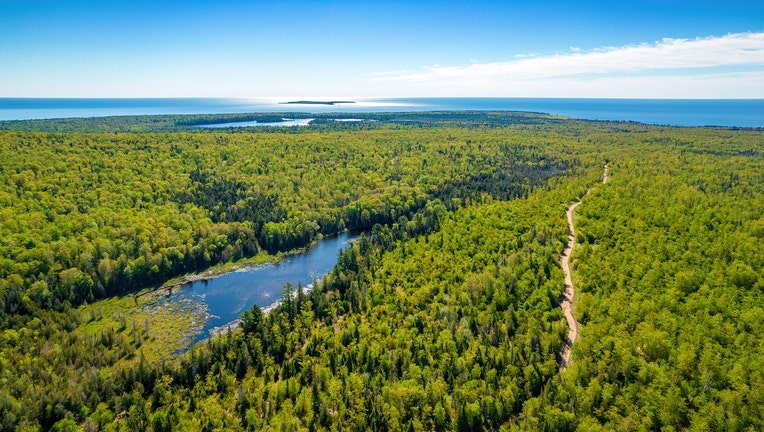
Easterly view of Keweenaw Point State Lands overlooking state-designated ORV trail. Photo credit goes to Devin Leonarduzzi of Paint River Creative.
(FOX 2) - Michigan's public land has grown by 10,000 more acres after acquiring a plot of wild forests and wetlands at the top of its Upper Peninsula.
Keweenaw Point State Lands is found on the northern edge of the peninsula, next to the Fort Wilkins Historic State Park.
Previously under the ownership of The Nature Conservancy, the addition of public land spans abundant wildlife and freshwater streams.
Keweenaw Point State Lands
Big picture view:
The Department of Natural Resources' purchase of the acreage up north follows years of negotiations and more than a century of ownership by corporations that have managed over 32,000 acres of wild forest and wetland space.
Before the DNR's acquiescence, The Nature Conservancy purchased the property in 2022 with the goal of temporary ownership.
The long-term plan was to transfer the land to state ownership. On Nov. 5, the DNR acquired the land with the help of $11.2 million in funding from grants. The Land and Water Conservation Fund, Michigan Natural Resources Trust Fund and Land Exchange Facilitation Fund provided the money.
"A variety of people were worried about the possibility of land being fragmented, which would have significantly impacted the area’s recreational trails, threatened the long-term reliability of public access, and had adverse effects on the local economy and the area’s rich natural and cultural resources," said Helen Taylor, state director of The Nature Conservancy in Michigan.
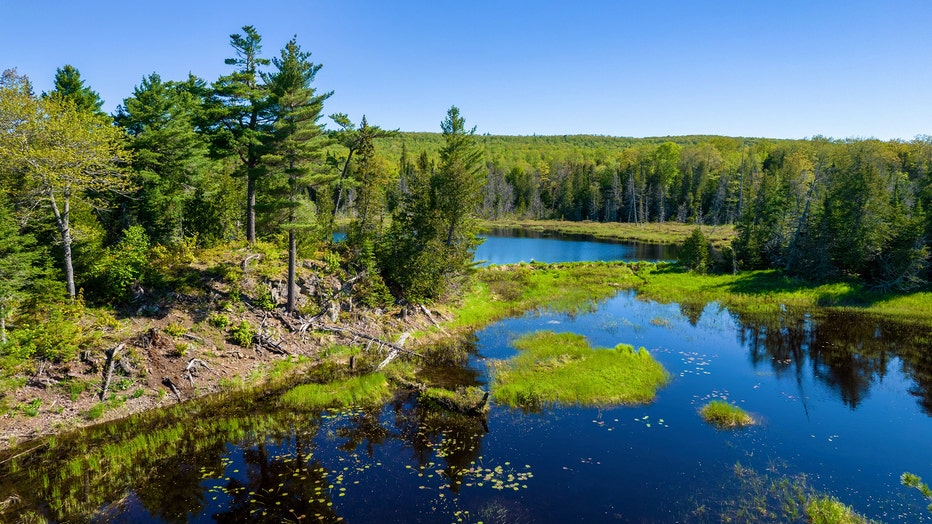
One of many inland lakes and Eastern white pine – the state's official tree – within Keweenaw Point State Lands. Photo credit goes to Devin Leonarduzzi of Paint River Creative.
Local perspective:
The other 22,000 acres within the Keweenaw Heartlands will remain under TNC ownership.
The land under the DNR's purview will be managed for public recreation and natural resource protection.
"The DNR joined this effort because the project aligned directly with the department’s mission and presented a rare opportunity to support a model for responding to large-scale private land divestment," said DNR Director Scott Bowen.
The Source: The DNR and The Nature Conservancy were cited for this story.