

Ice dams plaguing Michigan homes due to this winter's melt-and-freeze cycles
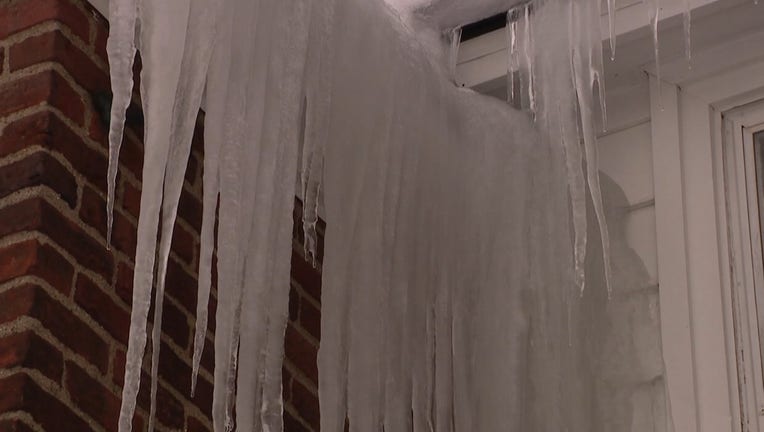
DETROIT (FOX 2) - We’ve had a winter across Southeast Michigan that has quietly set the stage for a very specific problem many homeowners are now noticing — large icicles hanging from gutters and the development of ice dams.
With roughly 17 inches of snow in January and around 36 inches for the season overall, the amount of snow sitting on roofs has been more than enough to create repeated melt-and-refreeze cycles, even during stretches where temperatures rarely climb above freezing.
Why are ice dams forming?
One of the biggest misconceptions is that snow cannot melt when temperatures stay below 32°F. In reality, air temperature is only one piece of the puzzle. The correct scientific driver here is solar radiation — energy from sunlight warming surfaces directly. Even when the air remains below freezing, incoming solar energy can warm roofs, shingles, dark surfaces, and even the snowpack itself enough to initiate melting.
We sometimes refer to this as radiational heating or solar insolation. Essentially, the sun delivers energy that raises surface temperatures to the melting point even if the thermometer never gets there.
Ice dam formation process
That daytime melting becomes the first step in the ice dam process.
During sunny winter afternoons, especially when skies clear after a storm, snow on rooftops begins to soften and melt. Water flows downward toward the colder edges of the roof — typically into the gutters. Then sunset arrives, temperatures drop quickly, and that meltwater refreezes before it has fully drained away.
Over multiple days, this creates a buildup of ice in the gutter system. Once enough ice accumulates, it acts like a dam, trapping additional water behind it.
Each new day adds another layer. The sun melts a little more snow, water flows toward the gutter, and nighttime cold locks it in place again. Eventually, the water has nowhere to go except outward, dripping off the edge of the roof and forming large icicles. While icicles can look picturesque, they’re often a sign that drainage has been compromised and that an ice dam may be forming above. This water can also force its way under shingles, leading to roof leaks.
There are a few local factors that make this season particularly favorable for ice dams. First, we’ve had enough snow cover to provide a consistent source of meltwater. Second, many days have featured sunshine without deep warmups — ideal conditions for solar radiation to produce small amounts of melting followed by overnight refreezing. And finally, repeated freeze-thaw cycles allow ice to build faster than gutters can clear themselves.
Preventing ice dams
So what should homeowners do — and just as importantly, what should they avoid doing?
The safest first step is prevention and reduction of snow load. Using a roof rake from the ground to pull excess snow off the lower portions of the roof can significantly reduce melting water before it ever reaches the gutter line.

Removing ice dams from your home can save you money for years to come
As the snow melts away from your roof, it's likely going to start piling up on the edge of your home. You need to solve that problem fast before it becomes an even bigger one.
Keeping gutters clear before winter begins also helps ensure that meltwater can drain when it does form. Proper attic insulation and ventilation are long-term solutions because they keep the roof temperature more uniform and limit uneven melting.
But we’re beyond that now.
What to do about ice dams
So, when ice dams are already present, many people instinctively want to pour hot water into gutters or onto the ice. That approach can create more problems than it solves. Hot water may temporarily melt a channel, but unless temperatures remain above freezing — which they typically don’t this time of year — that water will quickly refreeze, potentially expanding the ice buildup or creating heavier icicles.
Rapid temperature changes can also stress gutters and shingles. Mechanical removal by homeowners is risky as well, since breaking ice can damage roofing materials or cause falling hazards.

Dealing with ice dams before they damage your home
When icicles form on the sides of your home, it may be the sign of an ice dam. The main cause of this is uneven temperatures between the inside of an attic and the outside. This is normally due to poor insulation near the top of the home.
Instead, safer methods include carefully removing roof snow to stop the cycle or using calcium chloride ice-melt products designed for roofs (not standard rock salt, which can damage materials and landscaping). In severe cases, professional steaming is often the safest and most effective solution.
The big takeaway this season is that ice dams aren’t just about warm weather — they’re often a sign of a very Michigan-style winter pattern: lots of snow, sunny days, and temperatures hovering just cold enough to refreeze everything overnight.
Solar radiation keeps the melt going during the day, nighttime cold locks the ice in place, and the cycle repeats until those impressive — and sometimes dangerous — icicles appear.