

Lake whitefish numbers continue perilous decline as NRC set to discuss problem
(FOX 2) - The past few decades have not been kind to Michigan's lake whitefish, whose populations have declined dramatically since the mid-1990s.
The Natural Resource Commission will address the issue during their Thursday meeting.
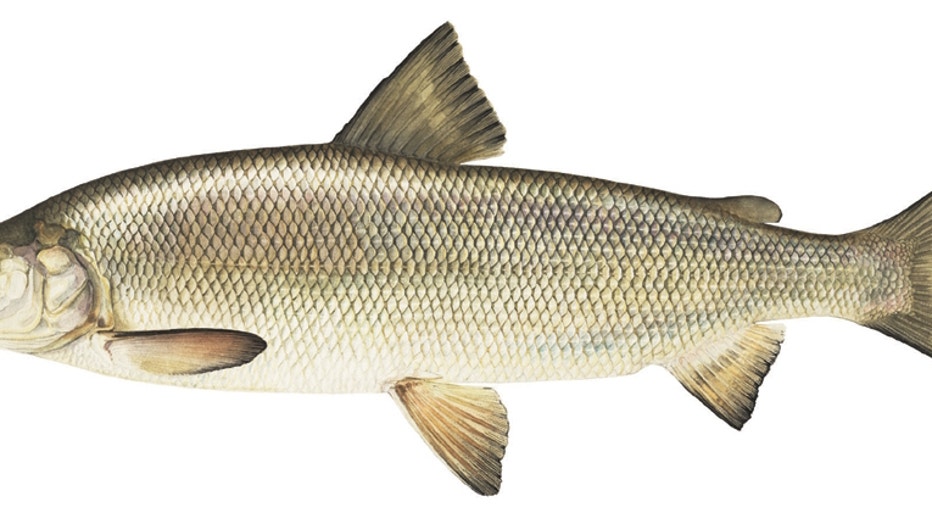
Lake whitefish found in the Great Lakes and elsewhere in the North America.
Big picture view:
Quagga and zebra mussels, disruptions to the food web, and a loss of habitat are all pieces of the puzzle that depict a dire situation for one of Michigan's most iconic fish species.
Lake whitefish numbers are falling at a perilous rate across the Great Lakes, according to figures from Michigan's Department of Natural Resources.
Since 1995, the commercial harvest of Lake whitefish has fallen from 6 million pounds a year to less than half-a-million pounds in 2024.
According to a slideshow that will be presented before the Natural Resource Commission on Thursday, the spread of invasive species has destabilized the delicate network that supports the fisheries along Michigan's coastline in both Lake Michigan and Lake Huron.
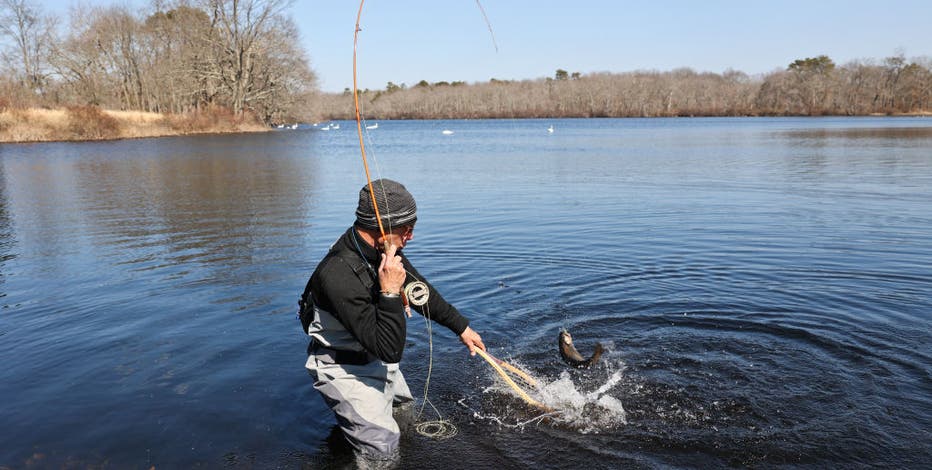
Great Lakes safe fish guidelines: How much fish you can safely eat per month
Michigan has some of the best fishing in the world. But toxic 'forever chemicals' like PFAS makes eating them less safe. Here are the guidelines for fish caught in each Great Lake.
Dig deeper:
Of the nearly 200 aquatic invasive species that infest Michigan waters, the two nonnative mussels spreading throughout the Great Lakes are considered the worst.
Both quagga and zebra mussels have invaded the region at a rapid pace, clogging water infrastructure, littering beaches, and consuming microscopic animals along the way.
Both thrive along the shorelines where lake whitefish spawn, consuming organisms that serve as a foundational energy source for the various species that start their lives near land.
Data from the Great Lakes Environmental Research Laboratory shows quagga mussels started their spread from the northern section of Lake Michigan. They now populate almost the entire lake.
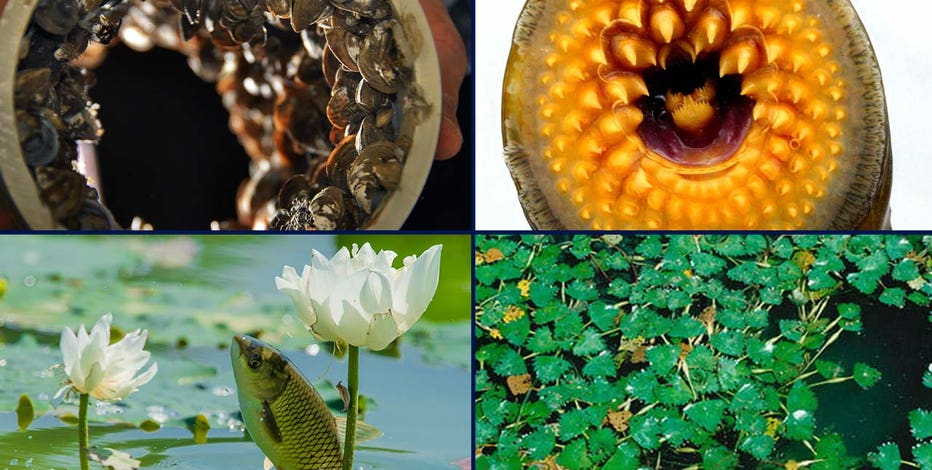
Great Lakes' worst invasive species ranked in new study, from zebra mussels to grass carp
Scientists ranked invasive species in the Great Lakes by how much of an impact they have on the region. Here are the 10 that made the list.
What's next:
The presentation will recommend more research on whitefish food webs and invasive mussels control, as well as experimenting with various forms of rearing and stocking water bodies with lake whitefish.
The Source: Previous reporting and a presentation expected before the Natural Resource Commission.