

Michigan Winter Forecast 2025-2026: Late-season snow threat for Detroit
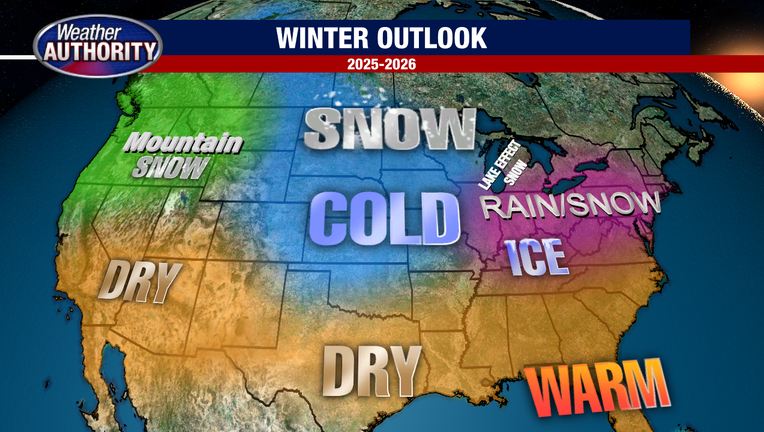
DETROIT (FOX 2) - We're in the second-half of fall, which means snow is in't that far off. Across Michigan, from Detroit’s downtown streets to the ski slopes of the Upper Peninsula, the upcoming winter may have a few surprises thanks to a shifting global pattern in the Pacific Ocean.
This year’s seasonal outlook hints at a colder and snowier winter – but only in the second half. We're actually looking at a milder start for the winter season.
What we know:
This season’s forecast is driven by the return of La Niña — a climate pattern characterized by cooler-than-normal sea surface temperatures in the equatorial Pacific. These ocean temperatures play a major role in shaping weather across the globe, from where the jet stream dips to how often cold air spills out of Canada.
La Niña conditions are already developing and are expected to continue through December 2025 to February 2026, before gradually transitioning back to neutral conditions by late winter and early spring (January through March 2026). A "weaker" La Niña means its influence will be present, but not as dominant as in stronger years — so local weather patterns may swing back and forth more often.
Local perspective:
In Michigan, La Niña winters tend to bring colder-than-average temperatures to the northern part of the state, especially across the U.P. and northern Lower Peninsula, while southern Michigan often rides the line between cold and mild. This can mean a mix of snow and rain events for Metro Detroit, depending on the day-to-day setup.

For southeast Michigan specifically, NOAA's Climate Prediction Center calls for "equal chances" of above- or below-average temperatures — meaning the odds are nearly even for either outcome.
In short: no strong signal for an especially warm or cold winter overall.
Cue the meteorologist jokes here!
Precipitation, however, is forecast to be above average. The key question is whether those wet systems arrive with enough cold air to turn them into snow. Given the expected pattern, it appears more of that precipitation could fall as snow, especially as the season progresses and colder air settles in.

Dig deeper:
Looking back through the data, winters with a similar pattern transition — from Strong El Niño to La Niña to neutral — include 1959–60, 1966–67, and 1992–93. Each of those years shared a common storyline: a mild and relatively quiet December and January followed by a much colder, snowier late winter that lasted well into March before showing signs of warming.
In fact, two out of those three seasons saw March snowfall totals double the seasonal average, as winter came roaring back late in the game. That could mean this year’s snow shovels will get their biggest workout not during the holidays, but deep into February and March.
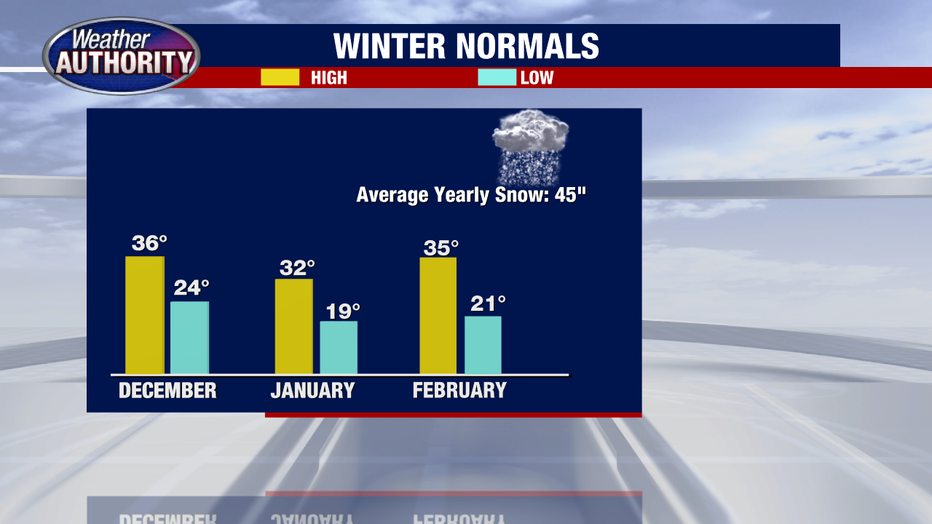
For Michiganders heading Up North this winter, the news is mostly positive — if you love snow.
Northern Lower Michigan and the U.P. stand a better chance of consistent cold and lake-effect snow, thanks to that classic northwest flow pattern that often develops under La Niña. Ski areas from Boyne Mountain to Marquette could see solid snow coverage and a longer season once colder air locks in by mid-winter.
Meanwhile, southern Michigan — including Metro Detroit — will likely experience a back-and-forth pattern early on. One week may bring a quick thaw, the next a messy mix, and finally, by late January, a more traditional winter setup with sustained cold and accumulating snow.

This winter may test our patience at first, but don’t be fooled by a sluggish start. History and science both suggest that the second half of the season will deliver — and possibly over deliver — on snow and cold.
So if December feels tame, keep the snowblower ready and the sleds handy. Because once February hits, Metro Detroit could be in for a classic, late-season Michigan winter — the kind that reminds everyone who’s really in charge: the Great Lakes, the jet stream, and a little cooling patch of ocean thousands of miles away.