

Fed holds rates steady in Powell’s possible final chair meeting — What comes next?

Federal Reserve leaves interest rate unchanged
Federal Reserve Chair Jerome Powell on Wednesday delivered remarks after the Fed left interest rates unchanged. During the press conference, Powell said he plans to remain on the board of the Federal Reserve
WASHINGTON - The Federal Reserve left its benchmark interest rate unchanged for the third straight meeting but signaled it could still cut rates in the coming months, moves that attracted the most dissents since October 1992.
The Fed on Wednesday kept its short-term rate at 3.6% and retained language in its statement suggesting the next move would be a rate reduction. Three officials dissented in favor of removing the reference to a future cut, while a fourth, Stephen Miran, dissented in favor of an immediate rate cut.
RELATED: Five financial mistakes Americans in their 30s and 40s are making, expert warns
The dissents underscore the level of division on the Fed's 12-member rate-setting committee ahead of the departure of Chair Jerome Powell, whose term ends May 15. The Senate Banking Committee approved his successor, Trump appointee Kevin Warsh, earlier Wednesday on a party-line vote. Warsh has argued in favor of rate cuts, as Trump has demanded.
The Fed typically keeps rates elevated, or even raises them, to combat worsening inflation.
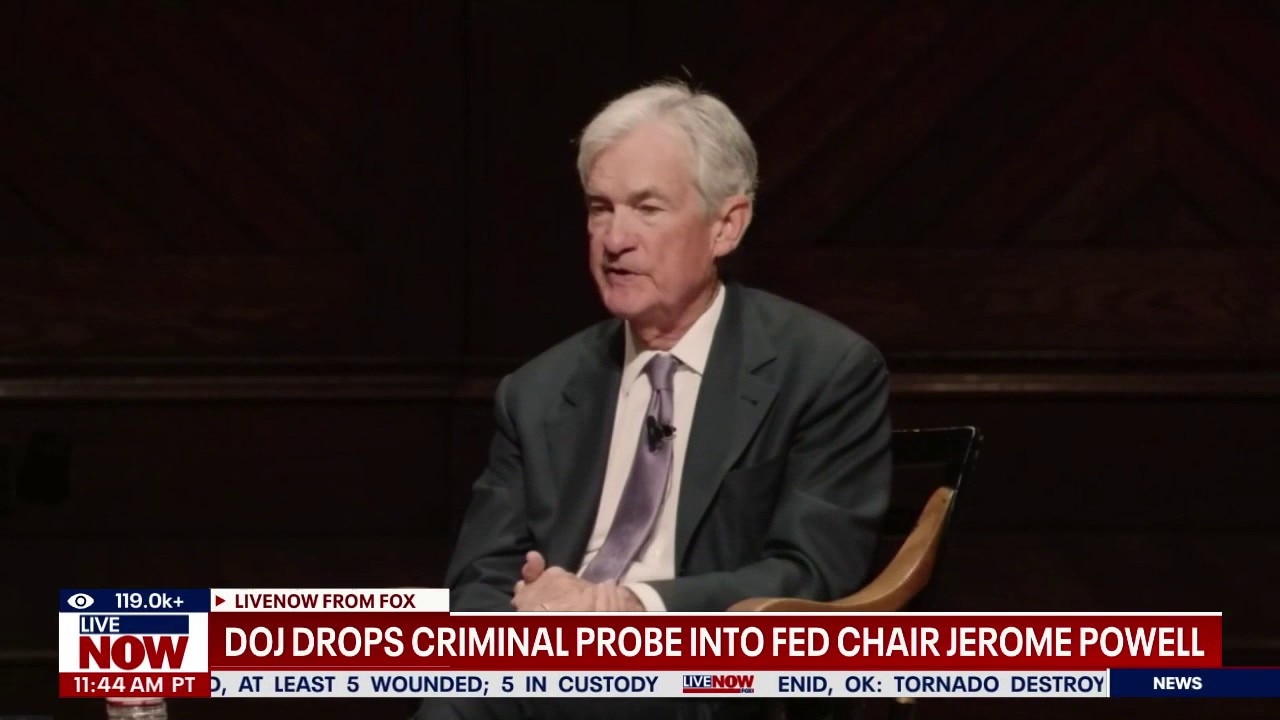
DOJ drops criminal probe into Fed Chair Jerome Powell
The Justice Department has ended its investigation into Federal Reserve chair Jerome Powell, which could clear the way for President Donald Trump's next pick, Kevin Warsh.
What they're saying:
"Developments in the Middle East are contributing to a high level of uncertainty about the economic outlook," the Fed said in a statement after its two-day meeting. "Inflation is elevated, in part reflecting the recent increase in global energy prices."
What will happen to Jerome Powell?
Big picture view:
Powell likely presided over his last meeting as chair and held a news conference Wednesday afternoon.
He said he will stay on the Fed’s board as governor after his term as chair ends for an 'undetermined period of time.'
Powell's term as governor will last until January 2028.
RELATED: $5.5B judgment against Purdue Pharma paves way for opioid deal
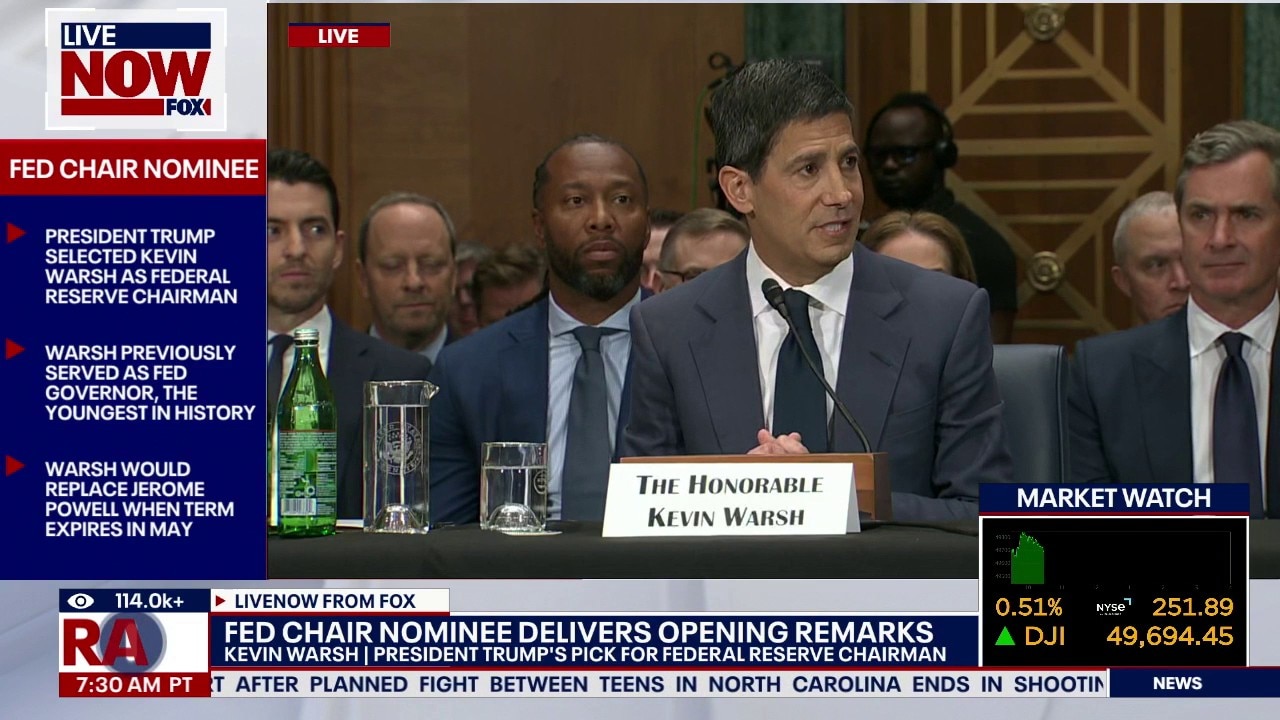
Fed Chair nominee Kevin Warsh gives opening remarks
Federal Reserve Chair nominee Kevin Warsh delivers opening remarks during his nomination hearing where he will be questioned by lawmakers. President Trump has picked Warsh to replace Jerome Powell.
Who is Kevin Warsh? Powell's possible replacement as chair
Dig deeper:
The Senate Banking Committee voted on party lines Wednesday to approve Kevin Warsh as the next chair of the Federal Reserve to replace Jerome Powell, a long-time target of President Trump’s insults for not cutting borrowing costs as far as the president wanted.
The vote was 13-11, with all Republican senators voting in favor and Democrats opposed.
Warsh is a former top Fed official but has also been a sharp critic of the institution and Powell’s leadership. He has called the inflation spike to 9.1% in 2022 the central bank’s biggest policy mistake in four decades.
What's next:
A vote on his nomination probably won’t take place until next month, but he could be confirmed by the time Powell’s term as chair ends May 15.
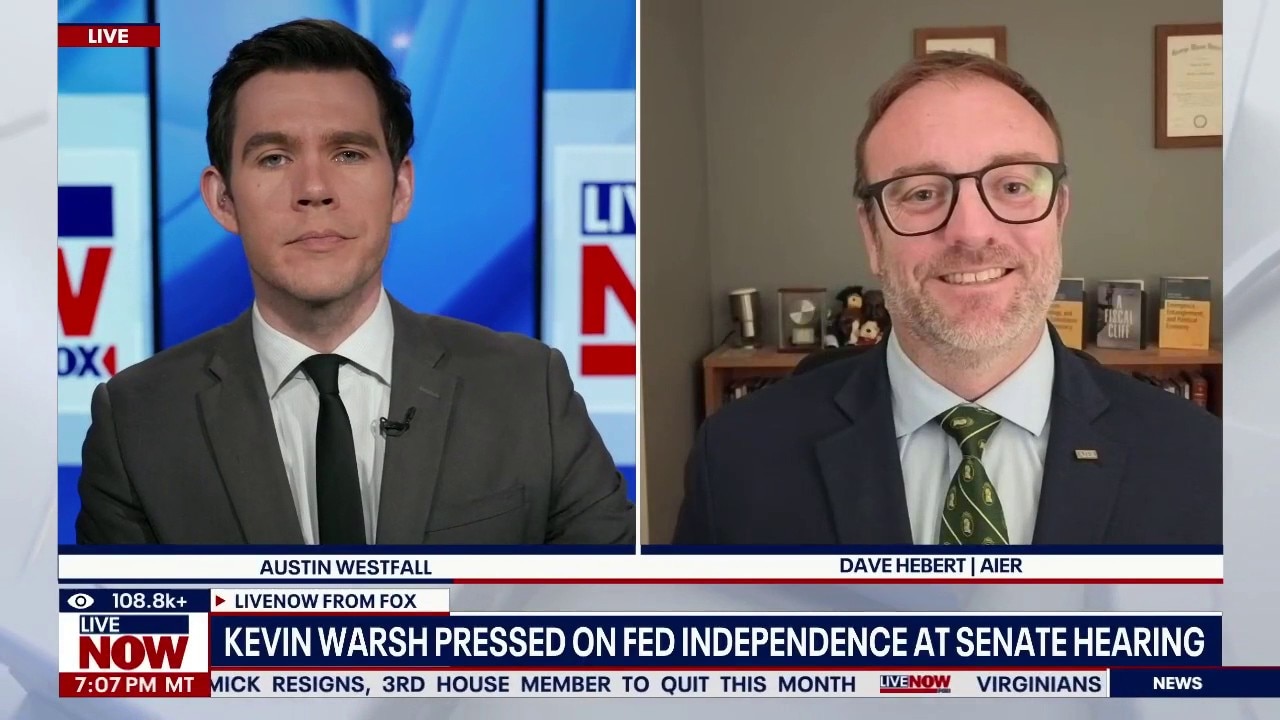
Kevin Warsh pressed on Fed independence at Senate hearing
Dave Hebert with the American Institute for Economic Research joins LiveNOW's Austin Westfall to break down what we learned from Tuesday's Senate hearing where lawmakers grilled Kevin Warsh, President Donald Trump's nominee for Federal Reserve chair.
What they're saying:
Warsh has called for "regime change" at the Fed and could alter many of its practices, including the economics models it focuses on, how it communicates with the public, and how large its bond-holdings will be in the long run.
Warsh has also advocated for additional interest rate cuts, which could potentially lower borrowing costs for mortgages, auto loans, and business loans. He will face barriers to implementing those cuts anytime soon, however, largely because the Iran war has caused a spike in gas prices, pushing inflation to a two-year high of 3.3%.
The Source: The Associated Press contributed to this report. The information in this story comes from official Federal Reserve communications. This story was reported from Los Angeles.