

Credit scores are down in all 50 states: Here's where they dropped the most

Credit card debt rises to record levels
FOX Multimedia Reporter Kennedy Hayes joins LiveNOW from FOX to talk about rising credit card debt amid the holiday season.
Credit scores have dropped in all 50 states over the past year, as credit card balances swell and more people struggle to make payments, according to new data from WalletHub.
Where credit scores dropped the most
Local perspective:
Here’s where credit scores went down the most, according to WalletHub.
What affects your credit score?
Big picture view:
A credit score is a mathematical formula that helps lenders determine how likely you are to pay back a loan. Credit scores are based on your credit history and range from 300 to 850.
A low credit score makes it more complicated or more expensive to obtain car loans, mortgages, credit cards, auto insurance and other financial services.
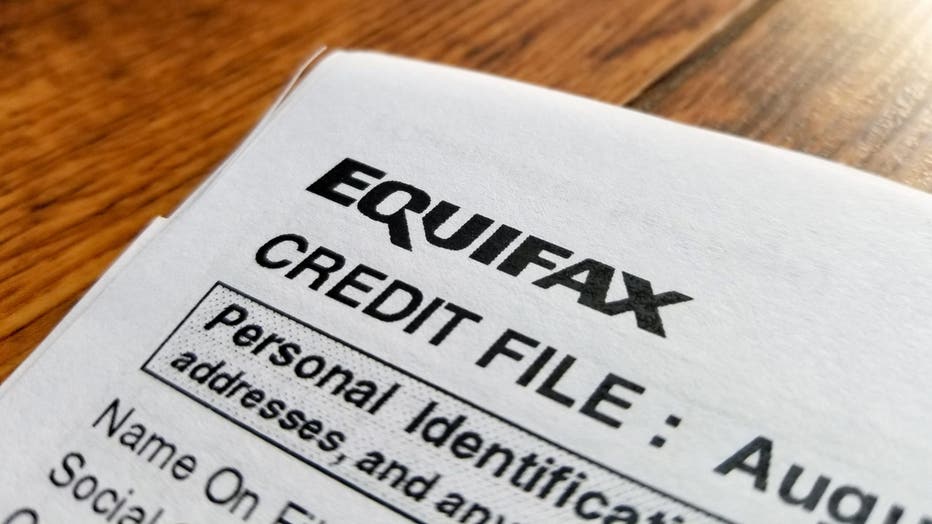
FILE - Credit scores have dropped in all 50 states (Photo via Smith Collection/Gado/Getty Images).
By the numbers:
According to Experian, one of the "Big Three" credit reporting agencies, your credit score is determined by the following factors:
- Payment history: 35%
- Amounts owed: 30%
- Length of credit history: 15%
- Credit mix: 10%
- New credit: 10%
U.S. consumers added $16 billion in credit card debt in 2025, bringing the total to an estimated $1.33 trillion.
Why credit scores are dropping
Dig deeper:
Missed payments and rising debt could be why states like Missouri and Georgia saw the biggest drops in credit scores over the past year, WalletHub analysts say. In Missouri, the average credit score dropped 10 points from 664 to 654.
According to data from FICO, the national average credit score has dropped two years in a row, down from 718 in 2023 to 715 in 2025.
RELATED: Why student loan delinquencies are soaring - and credit scores are dropping
Millions of student loan borrowers in the U.S. saw their credit scores drop by more than 100 points after student loan payment delinquencies began showing up on credit reports again in 2025.
What you can do:
"If your credit score is low or has recently dropped, the quickest and best way to improve your score is to use a credit card regularly and pay the balance on time and in full every month," WalletHub analyst Chip Lupo says. "Even if you have a credit card that you don’t actively use, it will still gradually raise your credit score every billing period, as long as you keep the account in good standing."
Lupo says you should also try to keep credit utilization below 30% of your credit limit and "work to actively pay down any long-term debts you have."
The Source: This report includes information from WalletHub and FICO.