

Friday News Hit: Phase 4 of reopening, judge to hear arguments in Whitmer lawsuit, and an eviction moratorium
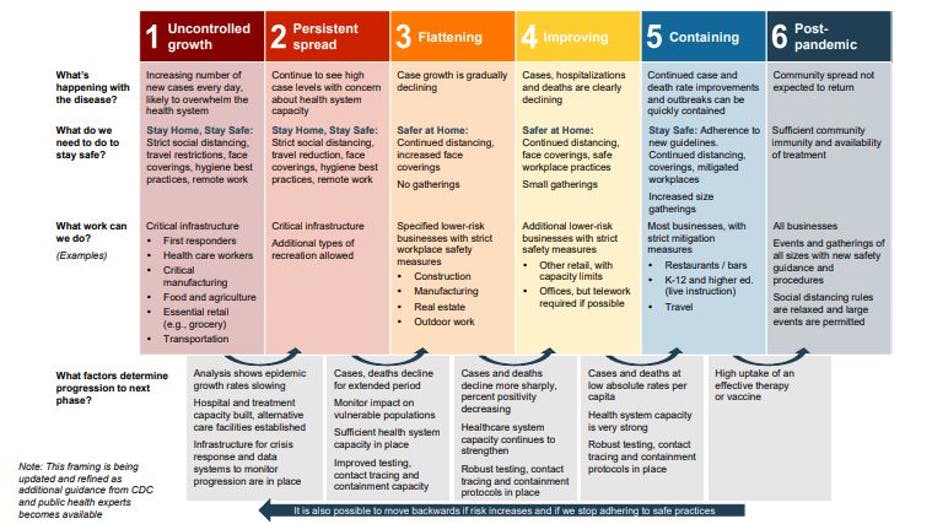
When will Michigan enter phase four of reopening? When the governor released her MI Safe Start Plan, the state had reached the "flattening" stage of its re-engagement during the COVID-19 pandemic - when construction, manufacturing, real estate, and outdoor work resumed, but the safeguards of social distancing remained in place. That required seeing extended periods of declines in cases and deaths and allowing for a sufficient capacity in Michigan's health systems.
To reach phase four, called the "improving" phase, it'll require a sharp decline in cases, deaths, percentage of positive cases, and robust testing. It's unclear exactly what that will look like, but residents have all the incentives in the world to reach it. In addition to other lower-risk businesses reopening, small gatherings of individuals would also be allowed.
"When the numbers continue to look good and we don't have a spike or growth in a certain area that causes us concern there's community spread, then we'll take that next step," Gov. Whitmer told us in an interview Thursday.
So where is Michigan at with those factors?
New cases and deaths have been on a gradual decline for more than a month. New case numbers peaked on April 3 and new deaths peaked on April 10. The data can get distorted at times due to some peaks on the state's graphs can be attributed to backlogged cases being added to the daily total, while some valleys are because of a reduction in confirmed cases on weekends.
Apart from the outlier of new cases reported on Thursday, the state has confirmed some of its lowest daily totals this week. Deaths appear to be mimicking a similar trend.

Whitmer talks about next phase of Michigan reopening and what has to happen
Wearing masks, and keeping a social distance from one another is flattening the coronavirus curve in Michigan.
The state also has plenty of health care capacity. Since hospitals neared its limit on available beds, ventilators, and staff, reports of overwhelmed health systems have largely disappeared. The two make-shift hospitals at the TCF Center and the Suburban Collection Showcase have filled a tiny fraction of their beds.
What remains a sticking point to reopening is the state's ability to test. So far, the state has completed 317,000 tests and is averaging 10,000 screenings a day. The state had initially set a goal of completing 450,000 tests by the end of May and reporting 15,000 tests a day. A problem for most states, without enough testing it's tricky to know who is positive, who isn't, and where outbreaks of coronavirus are occurring.
One study out of Harvard recommended Michigan be testing 58,000 people a day, if it wanted to reopen - an objective that at this point appears far away.
Reopening the state's economy has become a consistent source of friction between the Gretchen Whitmer and the legislature, which has taken her to court over her decision not to lift restrictions on business and travel.
The lawsuit between Republican lawmakers in the House and Senate and the governor hinges on the governor's ability to declare a state of emergency in Michigan. The GOP believes the declaration, which is what Whitmer has used to issue executive orders that have kept the state shut, is unconstitutional because the legislature never approved the declaration. Whitmer doesn't see it that way.
Both groups will begin oral arguments in front of a judge over Zoom Friday morning, beginning at 10 a.m.
While Whitmer's stay-home order has been the primary point of frustration for critics, most of her other executive orders have been welcomed. That includes an extended moratorium on evictions that she signed Thursday night.
“It’s critical Michiganders can self-quarantine and continue staying safer at home without fear of being evicted,” Whitmer said. “This Executive Order gives renters and mobile homeowners some peace of mind as we continue to flatten the curve.”
The order will last until June 12.
Daily Forecast
Conditions will dry out over the course of Friday and remain that way all the way through Saturday.

Flood watch in effect through 10 AM Friday morning
We'll dry things out over the course of the afternoon and stay that way through Saturday!
Wisconsin bars flooded with patrons hours after state Supreme Court ends coronavirus stay-at-home order
Several bars across Wisconsin were flooded with patrons just hours after the state Supreme Court issued a ruling striking down an extension of Gov. Tony Evers’ stay-at-home order that had been in effect since mid-March to limit the effect of the coronavirus.
The 4-to-3 ruling essentially reopened the state, lifting caps on the size of gatherings, allowing people to travel as they please and allowing shuttered businesses to reopen, including bars and restaurants.