

Gales of November: The Legacy of the Edmund Fitzgerald
(FOX 2) - What sank the Edmund Fitzgerald?
The bulk carrier now lies at the bottom of Lake Superior, where it has rested for the last 50 years. While the Great Lakes have claimed thousands of ships throughout its storied maritime history, none are as famous as the Edmund Fitzgerald.
Launched in 1958 at the Great Lakes Engineering Works shipyard in River Rouge, it traversed the lakes for 17 years, moving iron ore from dockyards in Minnesota and Wisconsin to ports in Michigan and Ohio.
Then, on a fateful evening in November 1975, a storm that started over Oklahoma crossed the U.S. before meeting the Fitzgerald as it raced to safety during what was supposed to be its last of the season.
Since then, the shipwreck's legacy has grown from a simple reminder of the danger of sailing on the Great Lakes into a cultural marker that's celebrated with songs, memorials, stories, and even beer.
This week, FOX 2 is exploring the story behind the Wreck of the Edmund Fitzgerald ahead of the 50th Anniversary of its sinking. Coverage will follow up on Nov. 10 with our special The Gales of November: The Legacy of the Edmund Fitzgerald.
The Fitzgerald's Final Voyage — Part 1
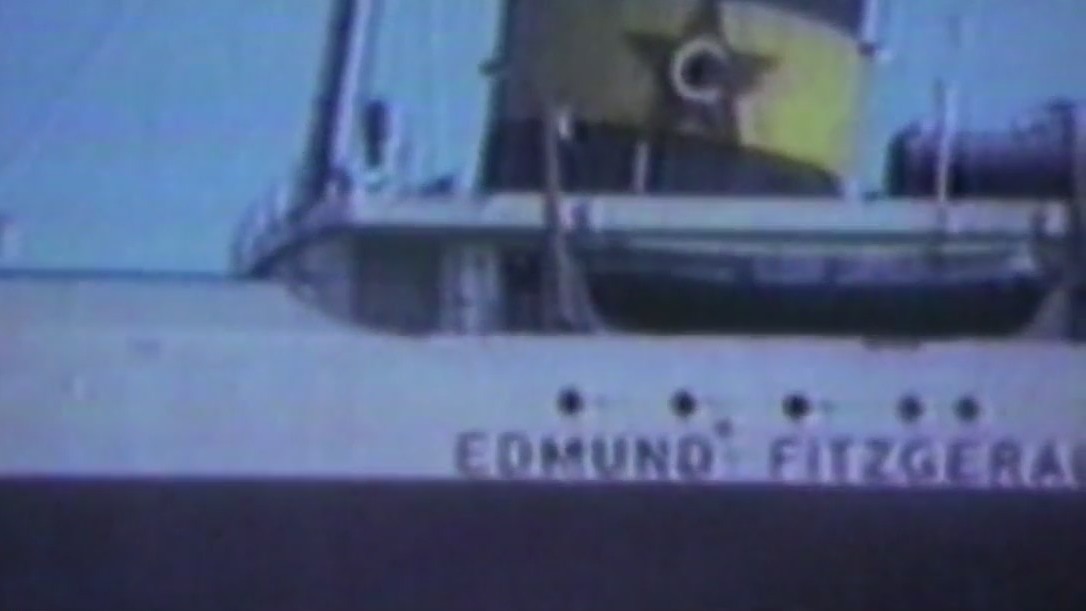
The final moments of the Edmund Fitzgerald's last voyage
The Edmund Fitzgerald had made the journey over 50 times that year and its final voyage started out like any other journey. But, as it left Superior, Wisconsin, loaded with 26 tons of iron ore, a storm was brewing - and heading directly toward the Great Lakes.
The Edmund Fitzgerald's final voyage started on Nov. 9 when it departed Superior, Wisconsin. Loaded with 26 tons of taconite pellets, the ship was bound for Detroit on what was supposed to be its final journey of the shipping season.
The five-day trip was one that the Fitzgerald made over 50 times a year. While the trip had started like any other voyage, a storm was brewing. It formed over Oklahoma before hurling itself toward the Great Lakes.
In a desperate bid to avoid the bad weather, the Fitzgerald - now sailing with another ship called the Arthur M. Anderson - altered course, taking the long way around the northern side of Lake Superior.
Around 1:40 p.m. on Nov. 10, Capt. Ernest McSorley issued a radio call that his vessel was rolling some. Outside, blistering winds and heavy snow pelted the Fitzgerald. Hours later, reports of damaged vents and broken fences came in.
Rather than hunkering down for safety and waiting out the storm, the Fitzgerald pushed on, using the Anderson as a guide to help navigate the waters.
The final message sent from the Fitzgerald came from its captain, who at 7:10 p.m. radioed, "We're holding our own."
It disappeared soon after.
Gales — Part 2
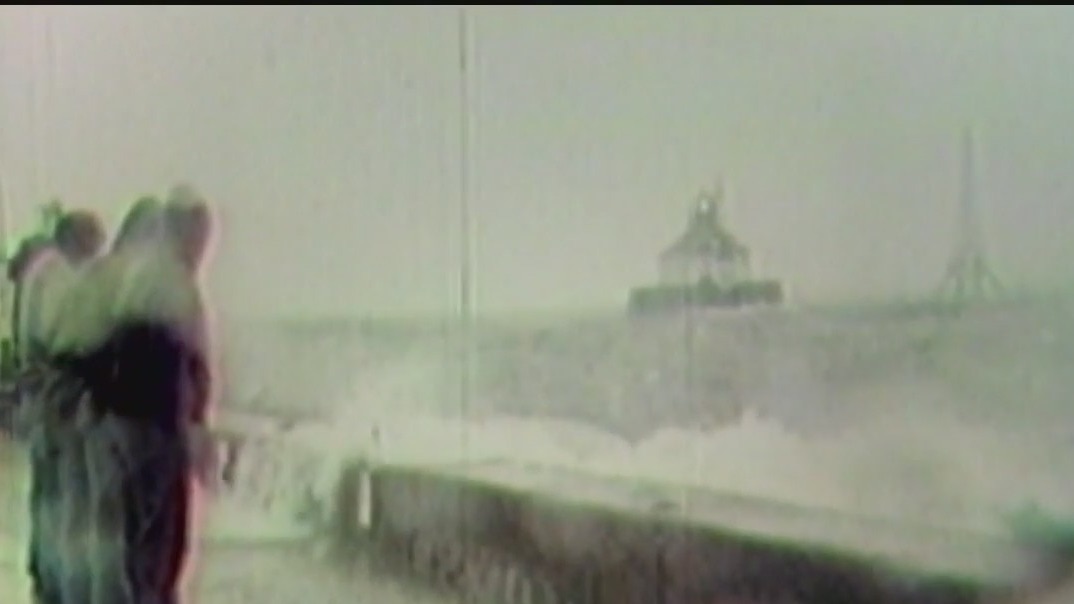
Behind the weather patterns that brought down the Edmund Fitzgerald
What are the Gales of November? A unique storm system that batters the Great Lakes every year make the waters of Lake Superior particularly dangerous to ships at the end of the year.
What are the Gales of November?
The storm that brought down the Edmund Fitzgerald was not unusual for its time. November is a busy month for inclement weather on the Great Lakes and there's a reason why.
The arrival of colder, darker months means the air temperature blowing into the region arrives with a chill. But not the water, which is still warm from the summer. This clash of cold air and warm water fuels an unstable weather system.
The result? Hurricane-force winds and waves that can reach three stories high.
On Nov. 10, 1975, the 29 sailors aboard the Edmund Fitzgerald got caught in one of these weather patterns, and disappeared while embroiled in the heart of the storm.
Sinking Theories — Part 3
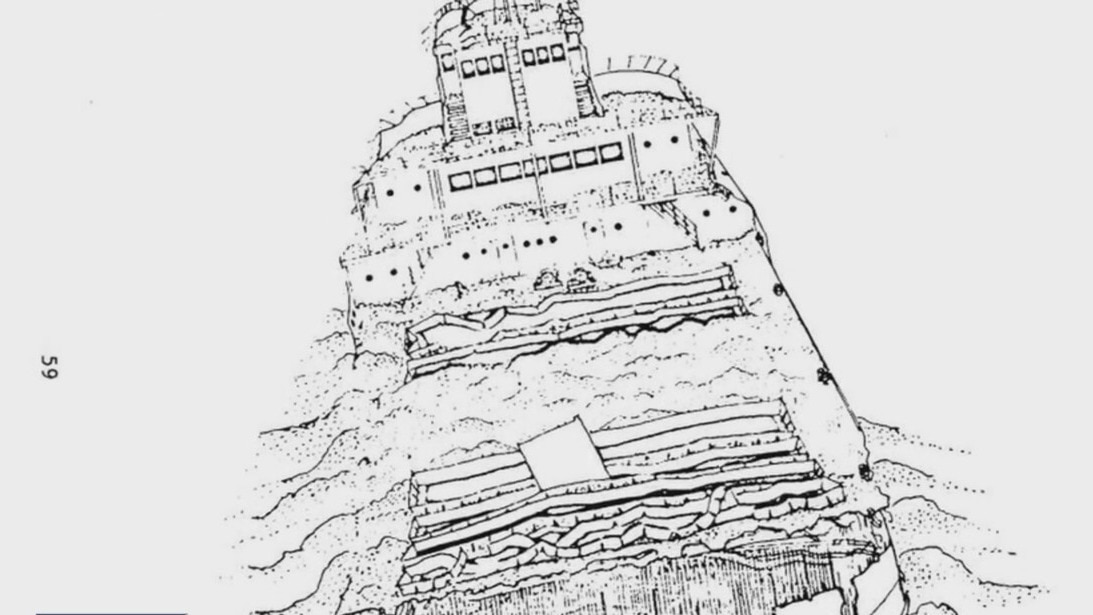
Explaining the theories behind why the Edmund Fitzgerald sank
What sank the Edmund Fitzgerald? Even 50 years after the ship disappeared, the cause of the Fitzgerald's sinking is still debated.
What sank the Edmund Fitzgerald?
The enduring question is what breathes life into the myth and mystery of the shipwreck and what caused it to disappear.
Were the hatches not sealed? Was the hull damaged by sailing over unmapped shoals? Did the legend of the Three Sisters take down the Fitzgerald?
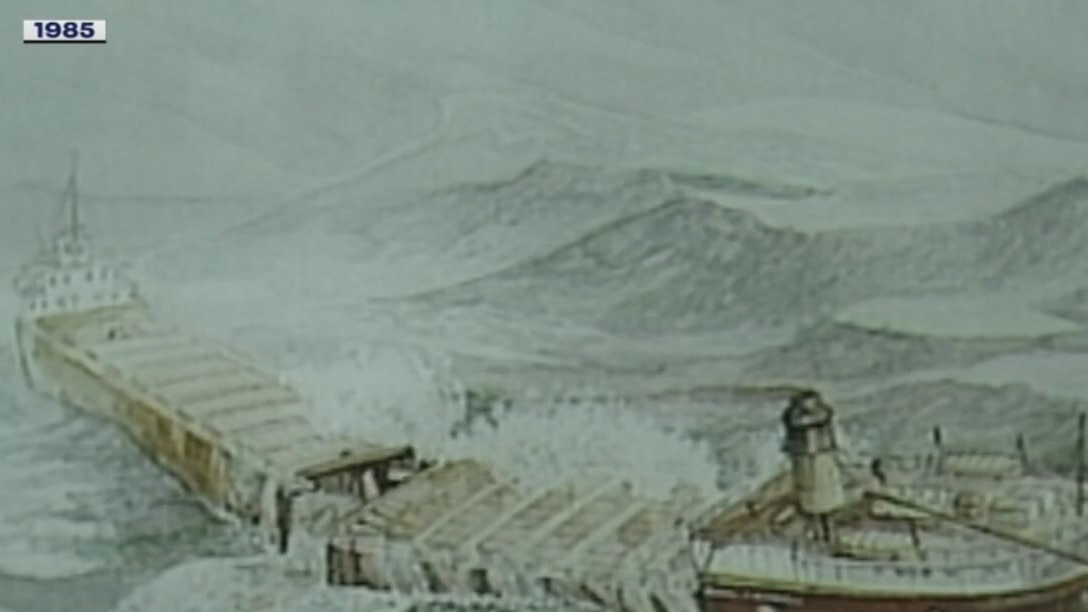
After it sank, different government agencies came to their own conclusions about what was the cause. And yet, 50 years later the reason is still debated?
Even trips down to the shipwreck at the bottom of Lake Superior spur more questions about the Edmund Fitzgerald's final moments. And with excursions to the wreck site no longer allowed, it's a question that likely won't ever be answered.
Shipwrecks — Part 4
Why do shipwrecks fascinate us?
The Edmund Fitzgerald is one of thousands of shipwrecks that dot the bottom of the Great Lakes. They are both time capsules of history and reminders of the perils of sailing on the Great Lakes
What is it about shipwrecks that fascinate people?
As one expert puts it, they are "time capsules of history" that remain unchanged at the bottom of the lake.
The Great Lakes have claimed thousands of ships, which now lie along the lakebed across the region. They are reminders of the dangers of the waters and the perils that sailors face when trekking from one port to another.
No shipwreck in the Great Lakes is more famous than the Edmund Fitzgerald. And while its story is well-known, the shipwreck also represents a window into a larger world that continues to fascinate people.
Memorials — Part 5
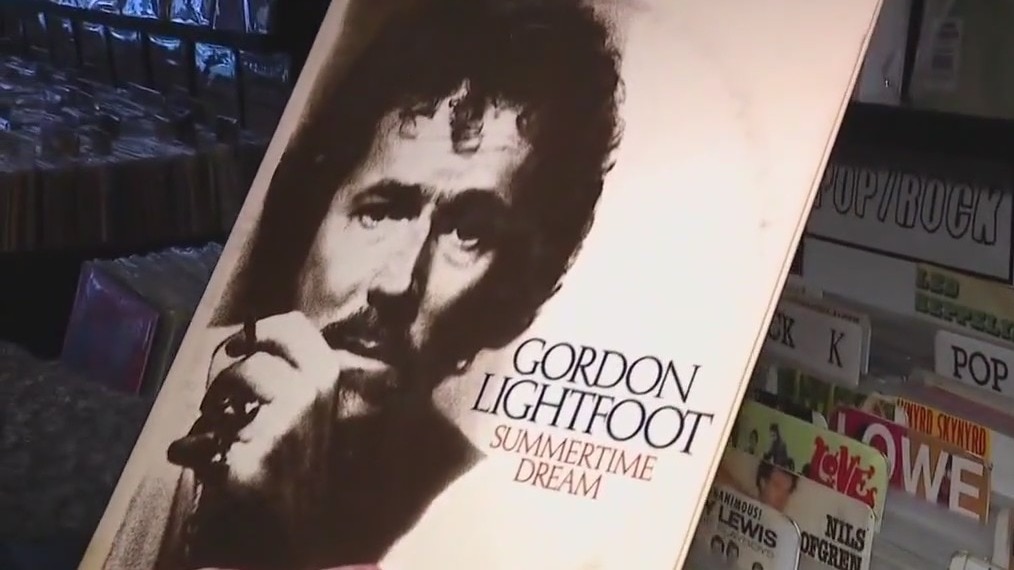
How we memorialize the Edmund Fitzgerald
The Edmund Fitzgerald was a regional story until Canadian singer Gordon Lightfoot wrote a song about the shipwreck, catapulting it into the national conversation. But that's not the only way people pay tribute to the famous vessel.
When Canadian songwriter Gordon Lightfoot wrote 'The Wreck of the Edmund Fitzgerald', he launched a regional tale of a tragic shipwreck into the national conversation, imprinting the story of the 29 sailors and their battle with a massive November storm into the cultural fabric.
But music is not the only way that fans pay tribute to the ship and over time, others have come up with their own ways of memorializing the Edmund Fitzgerald. Beer is one way. Bell-ringings every year is another.
And in 2025, swimmers helped complete the Fitzgerald's journey by jumping in the water 17 miles off of Whitefish Pointe and taking turns swimming to Detroit. From there, Jim Dreyer and dozens of others who took part delivered taconite ore to the city's deputy mayor inside the Mariner's Church.
During the service that followed, the bell was rang 29 times, one for each sailor lost on the ship.
FOX 2's "The Gales of November" premieres on Monday at 6:30 p.m. Tune into FOX 2 Detroit for more coverage of the anniversary of the sinking of the Edmund Fitzgerald.