

Great Lakes challenges range from whitefish collapse to plastic pollution, annual report shows

'Seiche' phenomenon causes Lake Erie water levels to recede
The strong winds over the last two days have been very revealing in places. That includes Lake Erie, in a phenomenon known as a "seiche," where the winds blow so strongly they actually cause one end of the lake to lower while the east side of the lake sees water levels rise.
(FOX 2) - From comeback success stories in Muskegon and new green space in downtown Detroit, to tackling Lake Erie's algal blooms and deploying conservation efforts for a beloved shorebird along Lake Michigan, this was a busy year for the Great Lakes.
As the piping plover found success, new challenges for whitefish emerged, underscoring the complicated nature of caring for the freshwater system that surrounds Michigan.
Like it does every year, the Department of Environment, Great Lakes, and Energy released its State of the Great Lakes report in December. It unraveled some of the biggest stories that took shape in 2025 as the state looks to the next batch of challenges and trends in 2026.
Piping Plovers, Lake Whitefish, and Sea Lamprey
There were developments aplenty for many of the species that call the Great Lakes home, though not all of them were good in 2025.
Concerted efforts to save the endangered piping plover along the sandy shores of Sleeping Bear Dunes have been in the works for decades. Once numbering at just 12 pairs in 1990, there are now more than 80 pairs of plovers, hitting a record for the recovery effort in 2025.
The goal is to get their population up to 150 pairs throughout the Great Lakes, which is their historic native range.
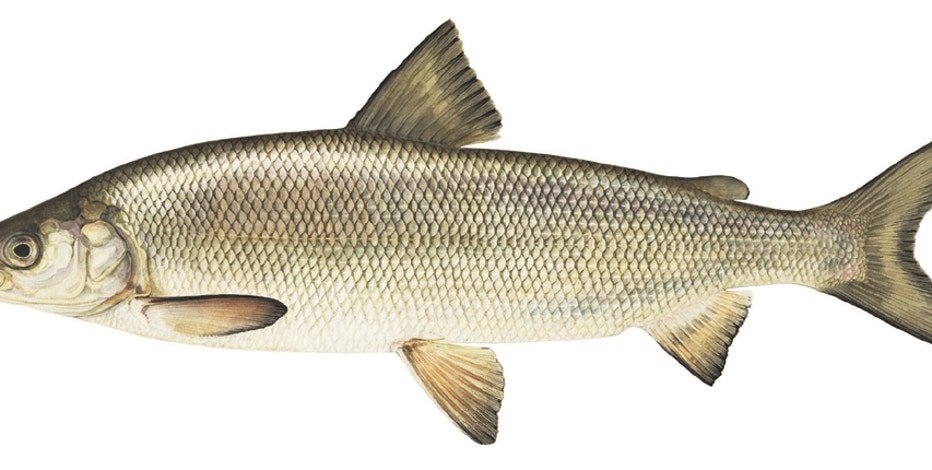
It's a different story for the lake whitefish, one of the region's most iconic fish species. Once abundant around the Great Lakes, its numbers are now dwindling due to habitat loss, overfishing, and most importantly, invasive species.
The quagga mussel, which first arrived via ballast water in the 1980s, has rapidly spread to every Great Lake, siphoning nutrients from key whitefish habitats. This has led to young whitefish not surviving to their adult stage.
Lake whitefish numbers continue perilous decline as NRC set to discuss problem
One of the state's most iconic fish are struggling with several environmental stressors. Regulators will take up the issue on Thursday.
It will require a partnership of various government and nongovernmental groups to reverse the population's downturn and remove the invasive mussels.
In fact, a similar group of organizations were used to tackle the sea lamprey when it initially invaded the Great Lakes over a century ago. The parasitic eel-like fish nearly killed the lake trout before a coordinated effort helped control the species.
Management of the species is still needed, officials note, after a year of diminished control led to an increase in sea lamprey attacks in Lake Ontario. A two-year pause in management practices led to an estimated $90 million loss.
Ralph C. Wilson Park opens in Detroit
A crown jewel of sorts opened in downtown Detroit in the fall of 2025, unlocking 22 acres of green space along the river that offers a little bit of everything.
Ralph C. Wilson Park was the culmination of years of work and tens of millions of dollars of investment to help beautify the space south of Campus Martius and the Renaissance Center.
The revitalization adds rolling hills next to recreational space, a new water garden, as well as play structures and even an area for concerts.
It's also the first time the Huron-Clinton Metroparks has opened a park in Detroit, extending the consortium's efforts to connect residents in Metro Detroit with green space that surrounds the region.

Exploring Ralph C Wilson Park and more on Detroit's riverfront
From the Water Garden to the Ralph C Wilson Park, Jack Nissen explores the outdoors on Detroit's riverfront.
Algal Blooms and Plastic Pollution
Water quality remains a constant focus of management practices around the Great Lakes, which is why the streaks of green that color Lake Erie's western shoreline and are visible from space are top of mind throughout the year.
Harmful algal blooms erupt in the area due to phosphorus being fed into the tributaries that travel to Lake Erie. Both wastewater treatment plants and agriculture are causes of nutrients making their way into the water, which promote algae growth and leads to toxic plumes.
A 2012 agreement to reduce phosphorous loading by 40% is still a ways away.
That's why an updated domestic action plan formulated in 2025 doubled down on the need to expand education and outreach, improve modeling, and measure water quality results.
The stubborn problem is mostly isolated to Lake Erie and some of the bigger bays around the area.
Regulators have an even bigger task before them in fighting plastic pollution. Some 22 million pounds of plastic waste enter the Great Lakes every year. The city of Lansing is experimenting with an air bubble curtain technology that will capture plastic pollution in waterways.

PFAS remedy at Selfridge base? How volcanic clay kept forever chemicals out of groundwater
PFAS has been linked to numerous health issues and is one of the most persistent problems in the environment. The materials deployed at Selfridge Air National Guard Base could stop chemicals from further contaminating groundwater.
Deployed in the Grand River, the curtain placed diagonally across the river, which will push the waste to one side of the river, and into a catchment system. It captured 86% of test materials while not disrupting any fish or boat traffic.
The issue gets trickier to deal with when the pollution gets smaller. Microplastics have more sources and are much harder to filter out of water.
The Michigan Department of Environment, Great Lakes, and Energy is ramping up efforts to better understand pollution and the most effective way at keeping it from entering the waterways. That includes securing a $2 million appropriation from the state for more research.
The Source: The 2025 State of the Great Lakes Report was cited for this story.