

Michigan primary election guide: Everything you need to know

Pulse of Politics: Discussing the U.S. Senate debate
Oakland University Political Science Chair Dr. Peter Trumbore and Pulse Anchor and Democratic U.S. Senate Debate Moderator Roop Raj join Pulse of Politics host Aaron Jordan to break down the debate between Abdul El-Sayed and Haley Stevens, as well as the midterms as a whole.
Michigan’s primary election is Tuesday, Aug. 4.
Here’s everything you need to know.
When is Michigan’s primary election?
Big picture view:
Michigan’s primary election is Tuesday, Aug. 4. The general election is Tuesday, Nov. 3.
Split-ticket voting
Remember:
Split-ticket voting is not allowed in Michigan primaries. This means you need to vote for all Republican or all Democratic candidates.
If you split your ticket, your ballot is invalid and your vote won’t be counted. Michigan Advance and VoteBeat have reported this happens to thousands of ballots each primary.
Early voting in Michigan
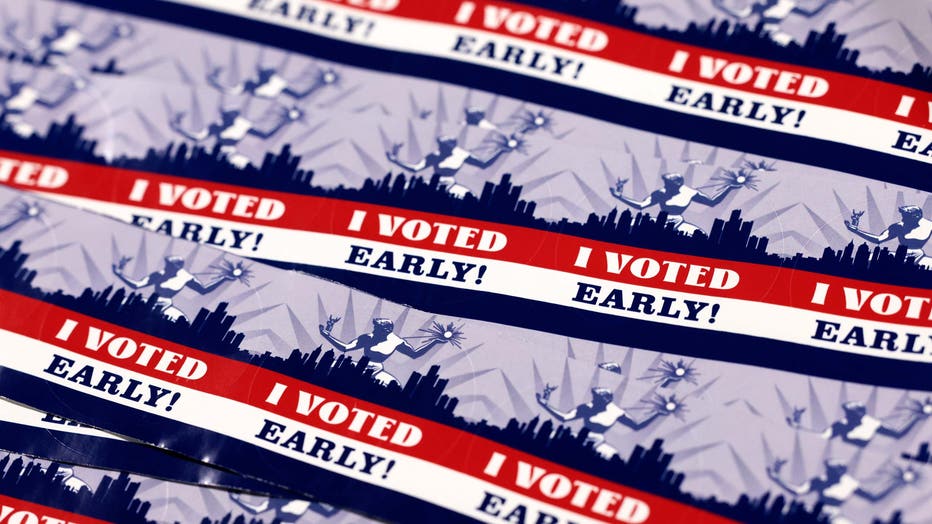
FILE - "I Voted Early" stickers at a polling location inside the Detroit Department of Elections on the first day of early voting during a primary election in Detroit, Michigan, US, on Saturday, July 25, 2026. Photographer: Jeff Kowalsky/Bloomberg vi
Timeline:
Early voting is taking place at locations across the state now through Sunday, Aug. 2.
What you can do:
You can vote early by going to an early voting site that serves your community and checking in with the poll workers, just like you do at your polling place on Election Day.
Important :
Your early voting location will likely be different than your local precinct on Election Day. To find your early voting site, visit mi.gov/vote and click on your voter information.
READ MORE: Michigan early voting: Everything you need to know before Aug. 4 Primary
Absentee voting in Michigan
Big picture view:
You can only vote absentee, or by mail, in Michigan if you’ve requested a ballot.
Dig deeper:
You can request a ballot online until 5 p.m. the Friday before Election Day, which would be July 31 for the upcoming primary election. But the State of Michigan recommends requesting an absentee ballot at least 15 days before Election Day to ensure your application would go through and you’d get your ballot in the mail in time.
When submitting, you’re able to put yourself on the permanent absentee ballot list so you don’t have to request a ballot every time.
Timeline:
Absentee ballots are distributed beginning 40 days before the election.
Ballots must be received by a voter’s local clerk’s office by 8 p.m. on Election Day to be counted. Military and overseas ballots get an exception, and must just be postmarked on or before Election Day and received by their local clerk within six days after the election in order to be counted.
Ballots can be mailed or submitted in-person at an official dropbox. Find your clerk’s office here.
How do I vote on Election Day?
Big picture view:
All registered voters in Michigan can vote at their polling place on Election Day.
Unregistered voters, or voters who have not updated their registration to their current address, must go to their local clerk’s office to register and may also vote at their clerk’s office using an absentee ballot.
What you can do:
Look up your polling place here.
Do I need my ID to vote?
Dig deeper:
By law, voters in possession of a photo ID must present it at the polls, but in Michigan, you’re not required to possess a photo ID in order. Voters without a photo ID may sign an affidavit and will be issued a ballot.
Get more info on voting without an ID in Michigan here.
What’s on my ballot?
Big picture view:
No matter where you live, all Michiganders will have a say on their pick for the governor and Senate candidate. You can read more about those races below.
Remember, you cannot split your ticket in a primary election, so you must vote for either all Republican candidates or all Democratic candidates.
What you can do:
See a sample of what’s on your ballot here. You just need to input your county, city and voting precinct.
Michigan governor’s race

WATCH: Full GOP debate for Michigan's Governor
FOX 2 Detroit hosted the first debate for all candidates for the Republican race for the Governor on Wednesday, July 8.
Big picture view:
Michigan Gov. Gretchen Whitmer has reached her term limit after serving two four-year terms, and is unable to run again.
Dig deeper:
Republican gubernatorial candidates:
- Mike Cox (dropped out but still on ballot)
- John James
- Perry Johnson
- Aric Nesbitt (dropped out but still on ballot)
RELATED: FOX 2 Republican Gubernatorial Debate
Democratic gubernatorial candidates:
- Jocelyn Benson
- Christopher Robert Swanson
Michigan Senate race
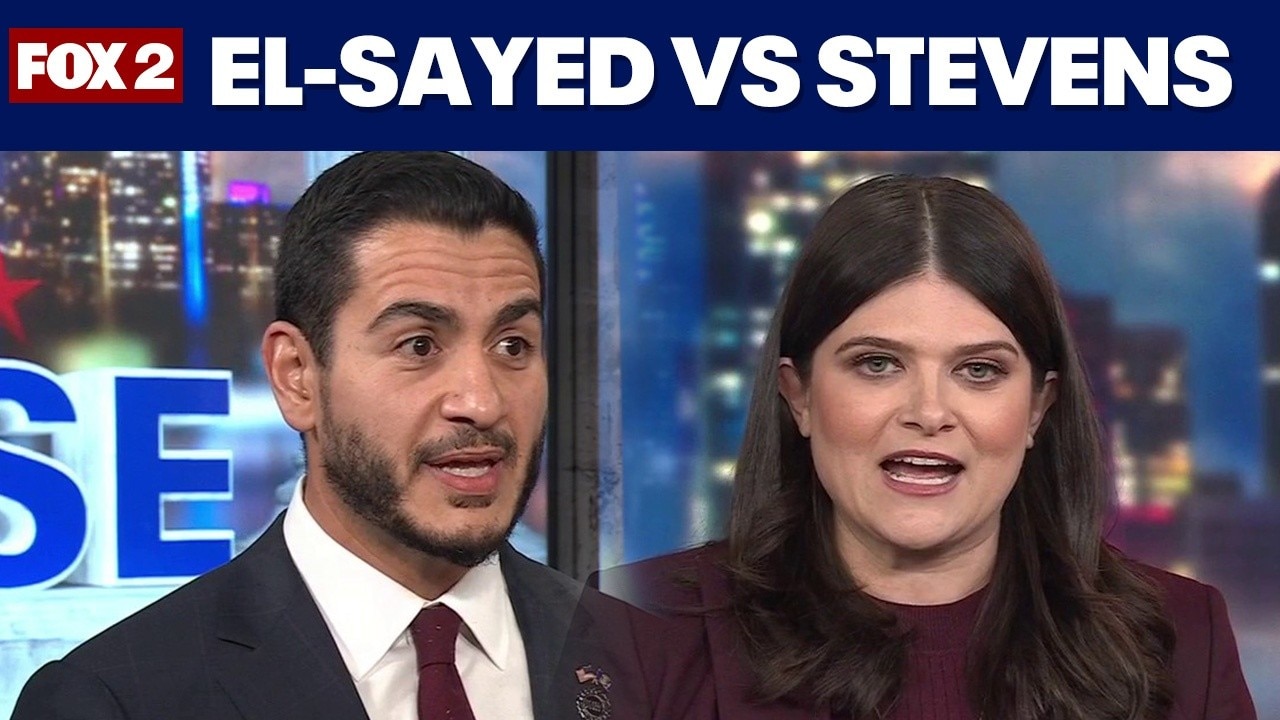
Democratic Senate candidates Haley Stevens, Abdul El-Sayed full debate
"The Pulse" is hosting another debate ahead of Michigan’s primary election, this time with Democratic Senate candidates Rep. Haley Stevens and Dr. Abdul El-Sayed.
Big picture view:
This seat in the Senate for Michigan is open because Democrat Sen. Gary Peters is retiring.
The rare opening is a top target for Republicans to tack on a new seat this fall and retain their majority – while the seat is a must-hold for Democrats as they aim to win back the majority.
Republican candidate:
- Mike Rogers
Democratic candidates:
- Abdul El-Sayed
- Mallory McMorrow (dropped out but still on ballot)
- Haley Stevens
RELATED: Watch: Haley Stevens, Abdul El-Sayed debate at FOX 2
Dig deeper:
Bigger implications are in the cards this primary for the future of the Democratic party.
This race is viewed as the biggest battle to date between the party’s far left and center-left establishment.
Stevens is backed by longtime Senate Democratic Leader Sen. Chuck Schumer and the party establishment. El-Sayed is a former Wayne County Health Department director endorsed by progressive champions Sen. Bernie Sanders and Rep. Alexandria Ocasio-Cortez. He has also picked up an endorsement from the United Auto Workers.
The other side:
Whoever wins the primary will ultimately face off against former Republican Rep. Mike Rogers, who is running for the Senate for a second straight cycle after losing in 2024 to now-Sen. Elissa Slotkin by a razor-thin margin.
Republicans haven’t won a U.S. Senate seat in Michigan since 1994, though Rogers came within 20,000 votes of doing so in 2024.
Also :
FOX 2 hosted a debate between Stevens and El-Sayed. You can get a recap and watch clips here.
The Source: Information in this article was taken from the Michigan Department of State and previous FOX 2 reporting.