

Combating loneliness for our seniors important as they weather pandemic lockdowns
FOX 2 - Brian Thomas checked in via a virtual visit with his mom, Cheryl
"We're going to bring you your groceries and your medicine later this week," he said.

Seniors face health risks from isolation during pandemic
Jerry Sowik owns Synergy Homecare of Rochester where their caregivers are trying harder than ever to combat loneliness.
Cheryl was diagnosed with Alzheimer's about nine months ago. They moved her into assisted living nearby - but now COVID-19 lockdown and safety precautions at her facility have meant very little face to face interaction.
"I believe the onset of the disease has been accelerated because of her isolation," Thomas said. "I believe her disease is taking hold of her in a far more aggressive and rapid manner than it otherwise would."
It's a confusing time for everyone but for people with Alzheimer's and dementia, it can be especially difficult.
"She said Brian, 'Why don't I see you and the kids more often?'" he said. "My kids don't get to spend time with their grandmother.
Those are such precious memories, and my kids are being robbed of that."
Seniors and others who are isolated is a very real concern. According to the CDC, social isolation is associated with about a 50 percent increased risk of dementia and an increased risk of other serious medical conditions - heart disease stroke, depression, and anxiety.
Jerry Sowik owns Synergy Homecare of Rochester where their caregivers are trying harder than ever to combat loneliness.
"What we're doing is trying to bring some joy and fun into their life and do it routinely," he said.
Jerry says activities and interaction are especially important right now. So many are feeling lonely and don't understand why.
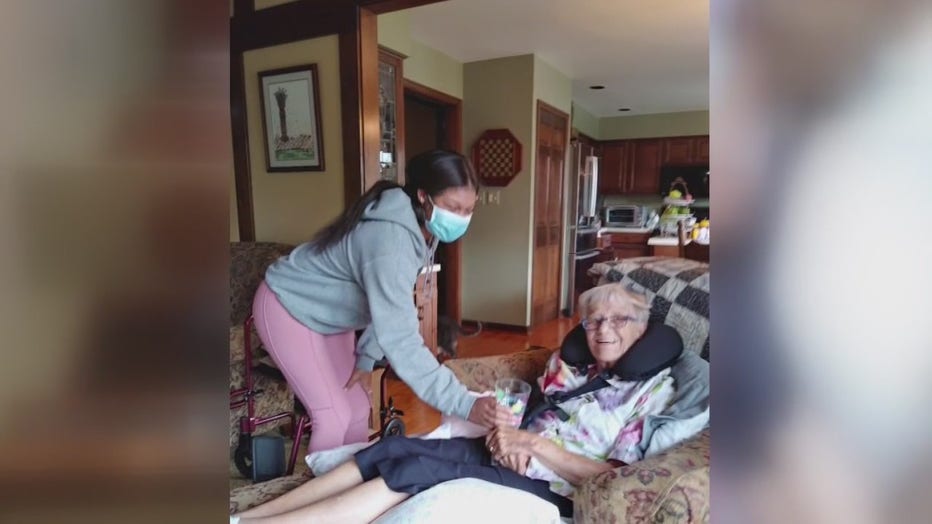
"What happening right now is every day is like the previous day and the next day is going to be like the last day, so we're trying to bring some structure back into their lives," Jerry said.
Jerry says families and caregivers should try getting outside. Walks, fresh air, simple arts, and crafts projects. It's challenging because of memory issues and hearing impairment but as jerry and brian know - it's so important to make the effort to connect.
"Even if you're making repeated phone calls throughout the day to your loved ones - you need to focus on doing that," he said.
"You have to really make sure you're putting aside time and mindshare for taking care of those who are most vulnerable and who really most need it," Brian said.