

Detroit overhauls demolition dirt quality testing, soil removal and replacement
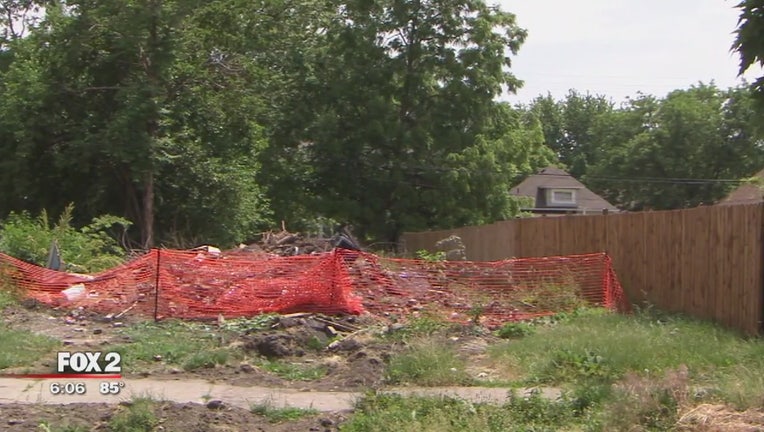
DETROIT (FOX 2) - The City of Detroit announced changes to dirt used to fill demolition sites and a website map to track problematic fill material on Thursday.
The backstory:
New "tighter procedures" were released to better track the quality of fill dirt, so it meets contractual and environmental standards, the city said in a release.
Soil provider Iron Horse in Milford Township and demolition contractor Gayanga were called into question, the city said. The initial results of the ongoing investigations were made public in late 2024.
Detroit is conducting soil testing at more than 400 sites after an investigation by the Office of Inspector General, along with the Construction and Demolition Department, which questioned the quality of the soil provided by Iron Horse.
A subsequent investigation by the Detroit Police Department also flagged nearly 200 more sites due to unclear documentation of the source of the fill material used by demolition contractor Gayanga.
In another previous case, Den-Man Contractors out of Warren, was found to have used contaminated dirt in 2024. The company was ordered to pay $4.7 million to the City of Detroit.
In the Den-Man case, the dirt came from I-96 and I-94 reconstruction projects and commercial properties to fill roughly 90 residential properties throughout Detroit over two years.
Part of the $4.7 million that Den-Man was ordered to pay was used to dig up the contaminated soil and replace it with clean dirt.
As part of the new improvements, any sites where testing shows levels of elements that exceed accepted Department of Environment, Great Lakes and Energy's environmental standards will be removed and replaced with new material.
As of March 3, 62 sites have had fill material removed and replaced.
Any sites where testing shows levels of elements that exceed accepted EGLE environmental standards will be removed and replaced with new material.
"Shortly after she took office in January, Mayor Sheffield directed us to take immediate action to tighten controls on our supply of demolition site fill material so residents will have no questions that sites of any future demolitions are safe," said Tim Palazzolo, Construction and Demolition Department director. "These new measures already in place or being put in place, do that."
The City of Detroit's changes to demolition fill material will include:
- Using only approved native/virgin material sites. The city no longer will use fill taken from other residential developments in the region or stockpiled material that is difficult to verify quality on a consistent basis.
- Reduced the total number of approved primary source sites from 14 to 7 for better quality control.
- Developing a protocol to test material at each source pit. Source pits also will be subject to monthly inspections, as opposed to annual inspections.
- Enhancing city contracting language to increase the city's ability to ensure that the material that left the source is the same material placed at the demolition site.
- Developing a protocol for random testing of fill material as it is placed at the demolition site
Palazzolo also said that as a part of Sheffield's call for greater transparency in the soil testing process at these sites, his department has distributed flyers to homes in a 400-foot radius of each lot that has been flagged for testing.
It will inform them of the location of the lot in the area being tested and a QR code directing them to where they can find the test results, once they are available.
Former FOX 2 reporter Charlie LeDuff first reported on dirt quality questions in 2015.
Palazzolo said that his team also has launched an interactive website map that identifies the location of demolition sites that have been flagged for testing.
Go here for the 2025 City of Detroit soil test results
Dots on the map are color coded to show their current status (to be tested, tested and awaiting results, tested clean, excavation in process and excavation complete).
When visitors click on the dot, it will provide the exact address of the lot being tested.
"Mayor Sheffield expressed how important it is to her that residents living near these sites are fully informed," Palazzolo said.
As more testing is done and more results are received, the website map will be updated to reflect the new information, and the status of any additional excavations that might be warranted.
The Source: Information is provided by the City of Detroit as well as prior coverage.