

Election Day is tomorrow: Your 2026 midterm voter guide
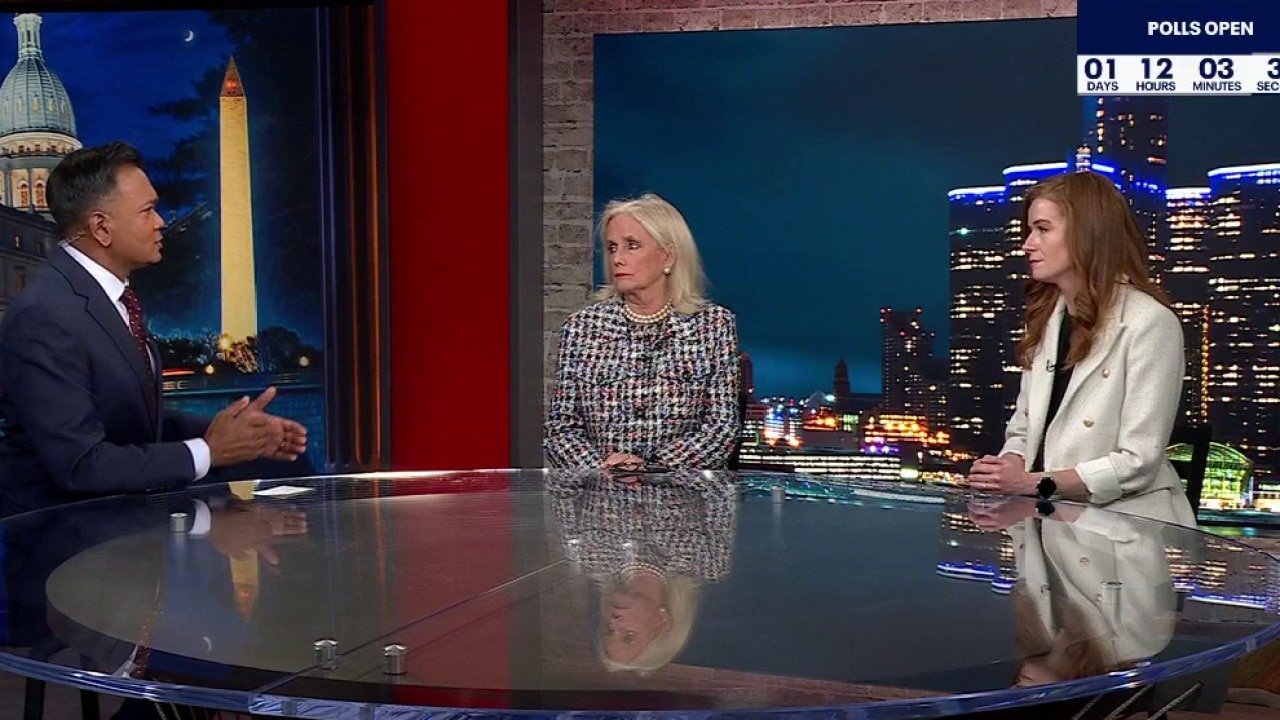
The Pulse exclusive: Rogers discusses receiving endorsement from Democratic Rep. Stevens
On a special Sunday night edition of The Pulse, Anchor Roop Raj breaks down the surprise endorsement of Republican United State Senate Candidate Mike Rogers by Democratic Congresswoman and Former Senate Candidate Haley Stevens. Rogers joins The Pulse for an exclusive conversation about the endorsement, as well as the state of the race. Plus, Congresswoman Debbie Dingell and State Senator Mallory McMorrow discuss the possible fallout for Democratic Senate Candidate Abdul El-Sayed, as well as for the party as a whole.
FOX 2 - Early voting ended yesterday with Michigan's general election coming Tuesday.
Here's everything you need to know.
When do polls open in Michigan?
Timeline:
Election Day is Tuesday, Nov. 3. Polls open in Michigan at 7 a.m. and close at 8 p.m.
If you are already in line at 8 p.m. you will still be able to get your ballot and cast it.
How do I vote on Election Day?
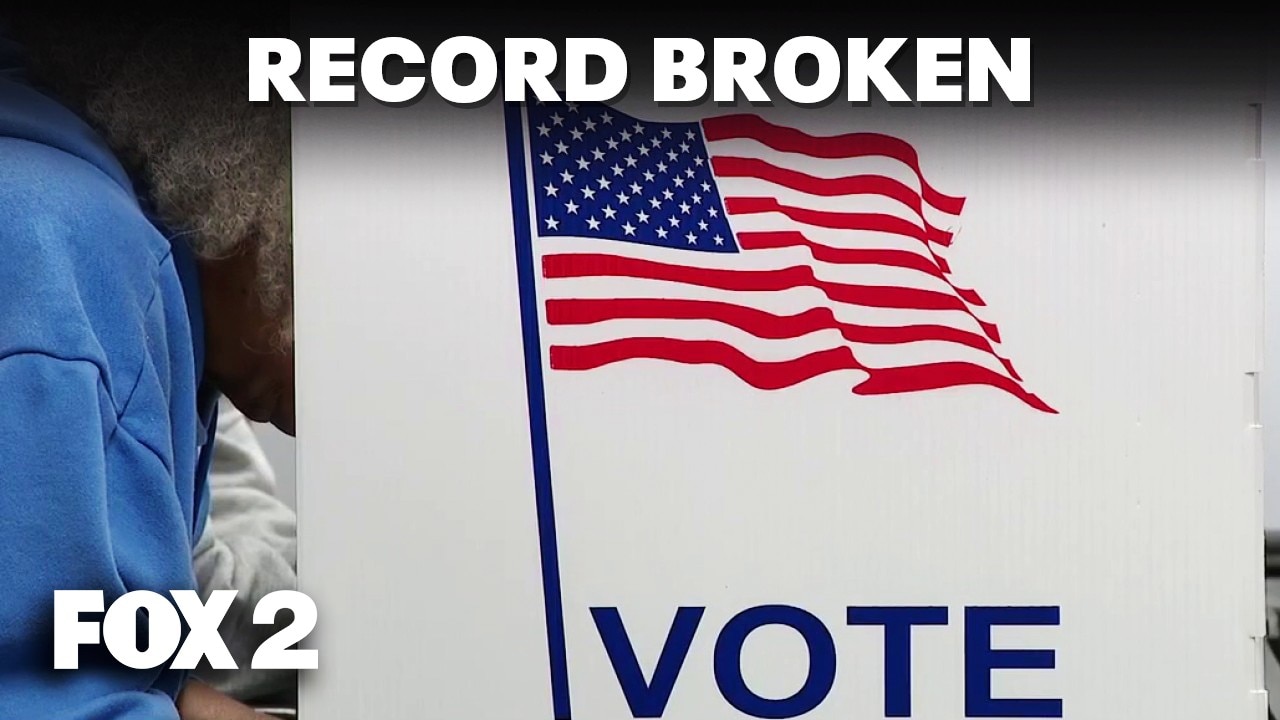
Detroit breaks opening-day early voting record
Detroit City Clerk Janice M. Winfrey announced that 2,305 Detroiters voted across the city’s eight early voting centers on opening day, setting a new opening-day record. The total passed the 1,897 ballots cast on the first day of early voting for the November 2024 presidential election.
Big picture view:
All registered voters in Michigan can vote at their polling place on Election Day.
Find a list of polling locations here.
Unregistered voters, or voters who have not updated their registration to their current address, must go to their local clerk’s office to register.
Can I register to vote on Election Day?
Big picture view:
It is not too late to register to vote and vote in this election. Voters in Michigan are also allowed to register to vote on Election Day.
Dig deeper:
To register now before the election, visit your local clerk’s office.
You’ll be asked for a photo ID. If you don’t have one, you can sign an affidavit and then register to vote. Additionally, you’ll be asked to provide proof of residency since it’s within 14 days of the election.
You can register to vote in person with proof of residency on Election Day.
What you can do:
Voters can check their voter registration status and look up their local clerk information at Michigan.gov/Vote.
Do I need my ID to vote?
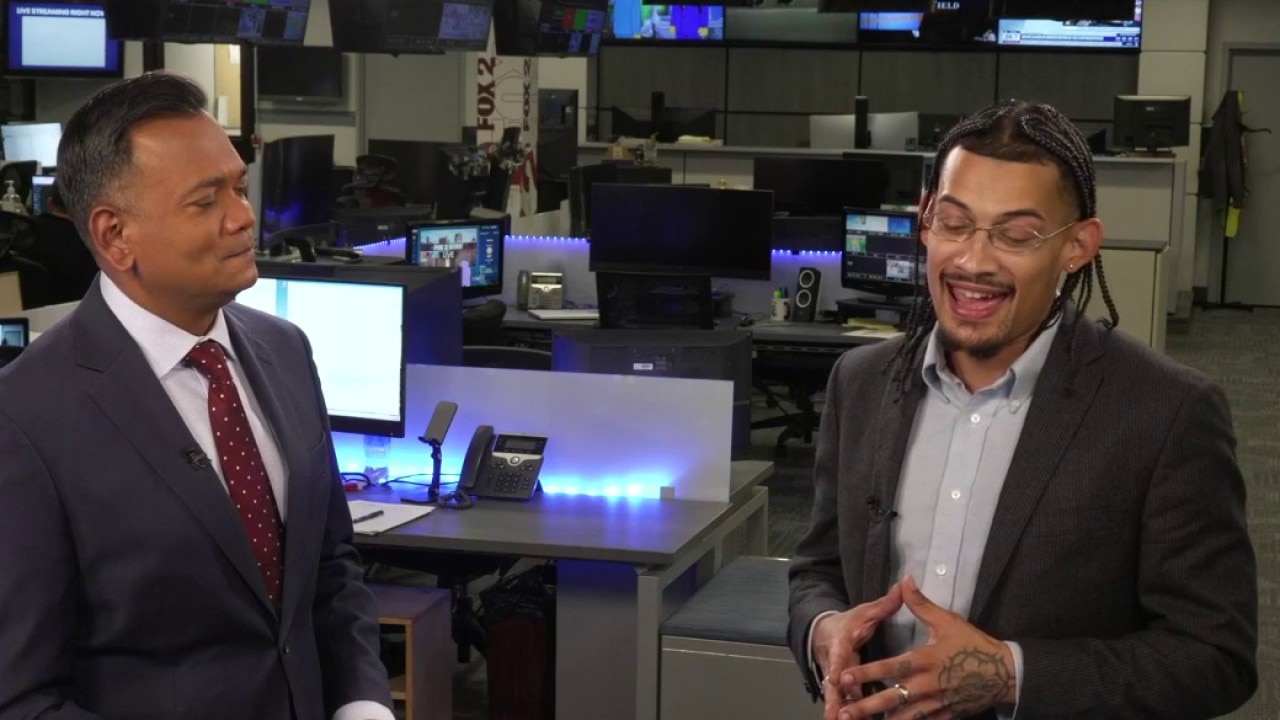
Sam Robinson, reporter who broke news of Haley Stevens endorsement of Mike Rogers talks about race
Sam Robinson was at the church this morning when U.S. Rep. Haley Stevens showed up with GOP Senate hopeful Mike Rogers. Robinson was there and got the first video of Stevens at the church, and was able to break the story. Robinson talked about Stevens' future as a Democrat, the shocker of the flip of her endorsement and more with Roop Raj.
Dig deeper:
By law, voters in possession of a photo ID must present it at the polls, but in Michigan, you’re not required to possess a photo ID in order. Voters without a photo ID may sign an affidavit and will be issued a ballot.
Get more info on voting without an ID in Michigan here.
Returning absentee ballots
Big picture view:
It is too late to drop absentee ballots in the mail.
Absentee ballots must be received by a voter's local clerk's office by 8 p.m. on Election Day to be counted. Ballots should be submitted in-person at an official dropbox.
Find your clerk’s office here.
What is a ‘Straight Party Ticket’ ’Mixed Ticket' and ‘Split Ticket’
Dig deeper:
There are three ways to vote in Michigan: a straight ticket, a split ticket, or a mixed ticket. All three are valid.
The choice only impacts the partisan section of the ballot where political parties are listed with the candidates. The nonpartisan and proposal sections are always voted race by race.
- Straight Party Ticket: Fill in one party's oval for all of its candidates in the partisan section.
- Mixed Ticket Voting: Avoid the party option, and choose each candidate from different parties on a race-by-race basis.
- Split Ticket: Voters can override their Straight Ticket choice for any office. Each straight ticket party candidate will still receive a vote except where superseded by a direct vote for a candidate (i.e. a candidate from a different party).
What are we voting for?
Big picture view:
No matter where you live, all Michiganders will have a say in their pick for:
- Michigan governor
- Michigan Secretary of State
- Michigan Attorney General
- Congressional U.S. Senator
- Proposal 1: Revising state constitution
- Proposal 2: Money out of politics
Districts will also be voting on state senators and representatives in Congress.
And metro Detroit is also voting to renew the zoo millage and approve a Detroit museum millage.
What you can do:
See a sample of what’s on your ballot here. You just need to input your county, city and voting precinct.
Michigan governor's race
Big picture view:
Michigan Gov. Gretchen Whitmer has reached her term limit after serving two four-year terms, and is unable to run again.
Democratic candidate:
- Jocelyn Benson
Benson, the current Secretary of State, is running with Michigan Sen. Winnie Brinks (District 29) for lt. governor.
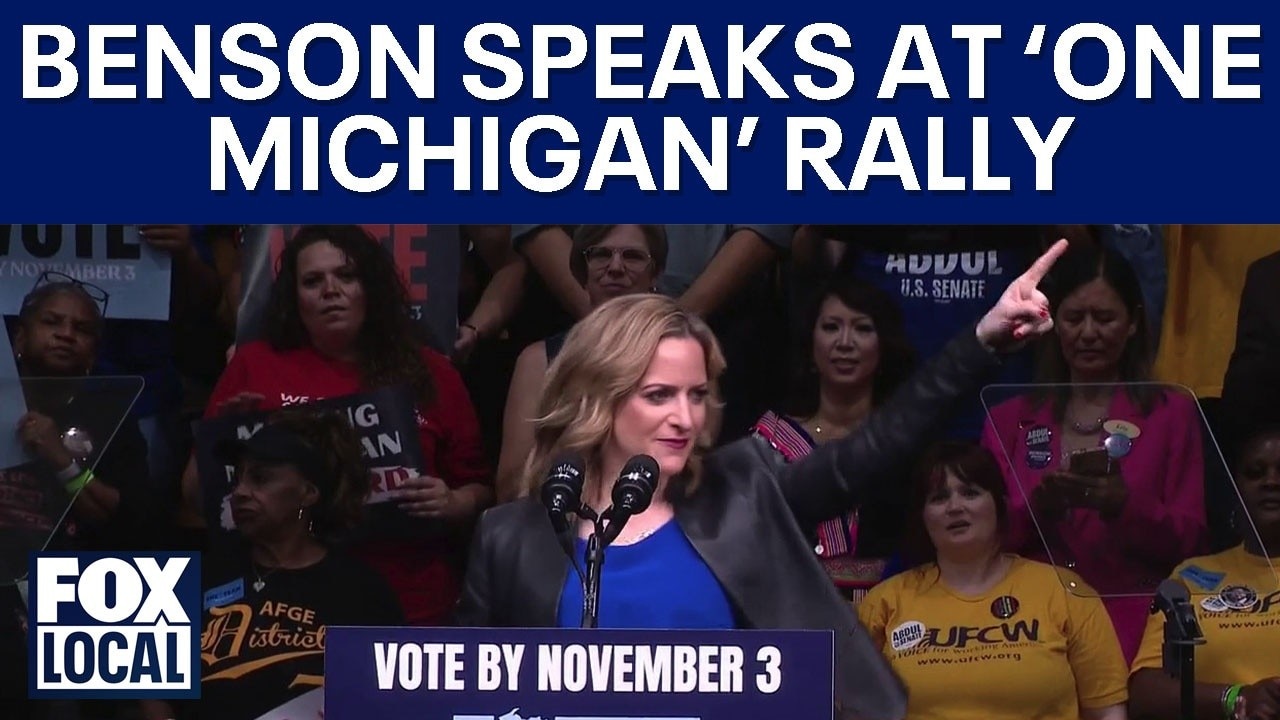
Jocelyn Benson speaks at ‘One Michigan’ election rally ahead of Obama
Michigan Secretary of State Jocelyn Benson, who is running for Governor, speaks on the 2026 midterm elections at Cass Technical High School in Detroit. Former President Barack Obama and Democratic Senate hopeful Abdul El-Sayed are expected to attend the rally.
Republican candidate:
- John James
James, currently US House Representative (10th District), is running with Michigan Rep. Jay DeBoyer (63rd District).
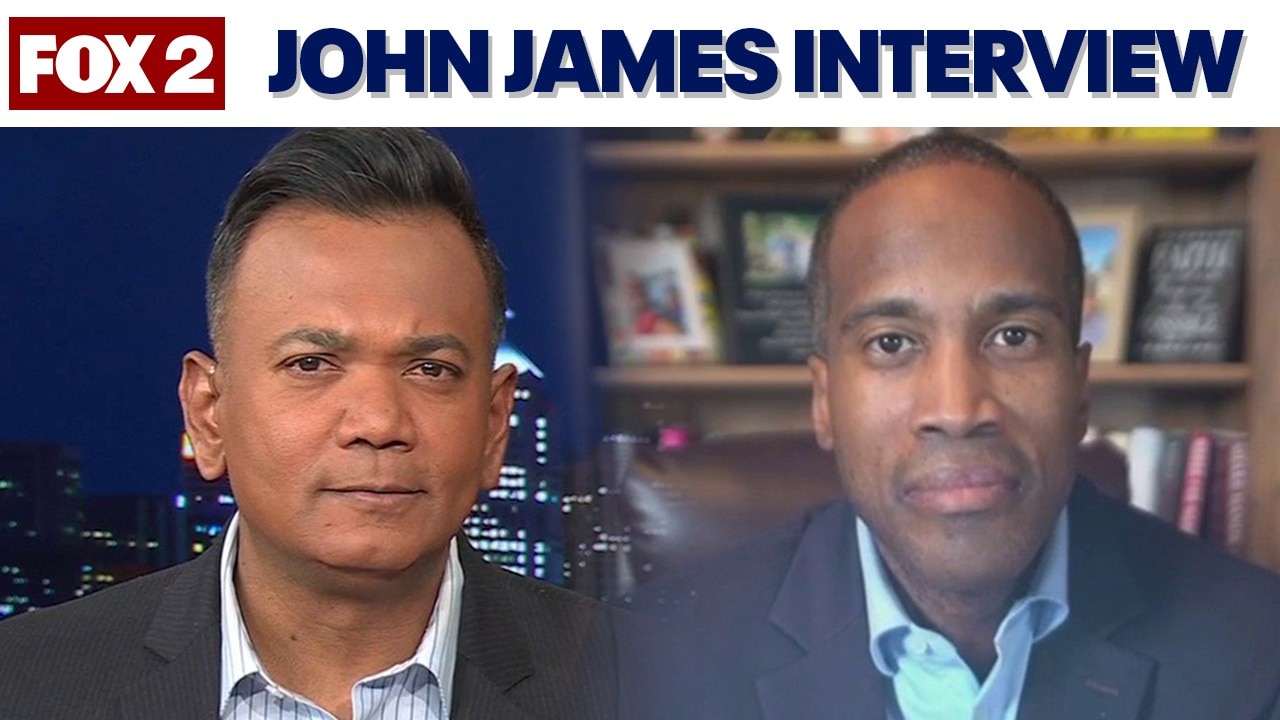
James discusses race for Governor with 6 days until Election Day
Congressman and Republican Candidate for Governor John James joins The Pulse to discuss the state of his campaign against Secretary of State and Democratic Candidate Jocelyn Benson, who will appear on The Pulse Monday. Plus, Detroit News Political Reporter Craig Mauger and Bitely Communications Founder & Principal Andrea Bitely weigh in on both the races for Governor and United States Senate
Chasing History:
If James were to win, he would be the first African-American governor ever in Michigan.
Benson and Brinks would be the first-ever all-female ticket to win. Benson, meanwhile, by succeeding Whitmer, would make back-to-back woman governors for the first time in state history.
Michigan Senate race
Big picture view:
This seat in the Senate for Michigan is open because Democrat Sen. Gary Peters is retiring.
The rare opening is a top target for Republicans to tack on a new seat this fall and retain their majority – while the seat is a must-hold for Democrats as they aim to win back the majority.
Democratic candidate:
- Abdul El-Sayed
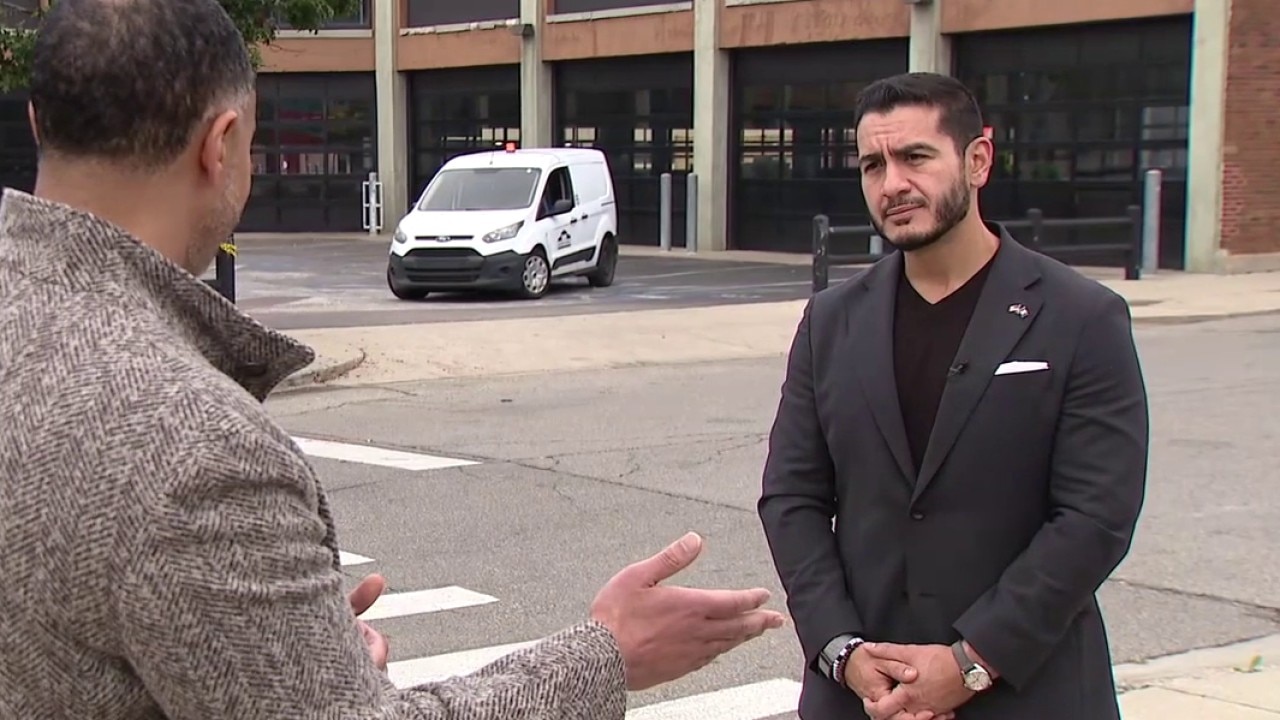
Senate candidate Abdul El-Sayed goes 1-on-1 with Josh Landon
Democratic Senate candidate Abdul El-Sayed is in a critical midterm battle with Republican Mike Rogers. El-Sayed talks about his stance on the issues and more in this no holds barred interview.
Republican candidate:
- Mike Rogers
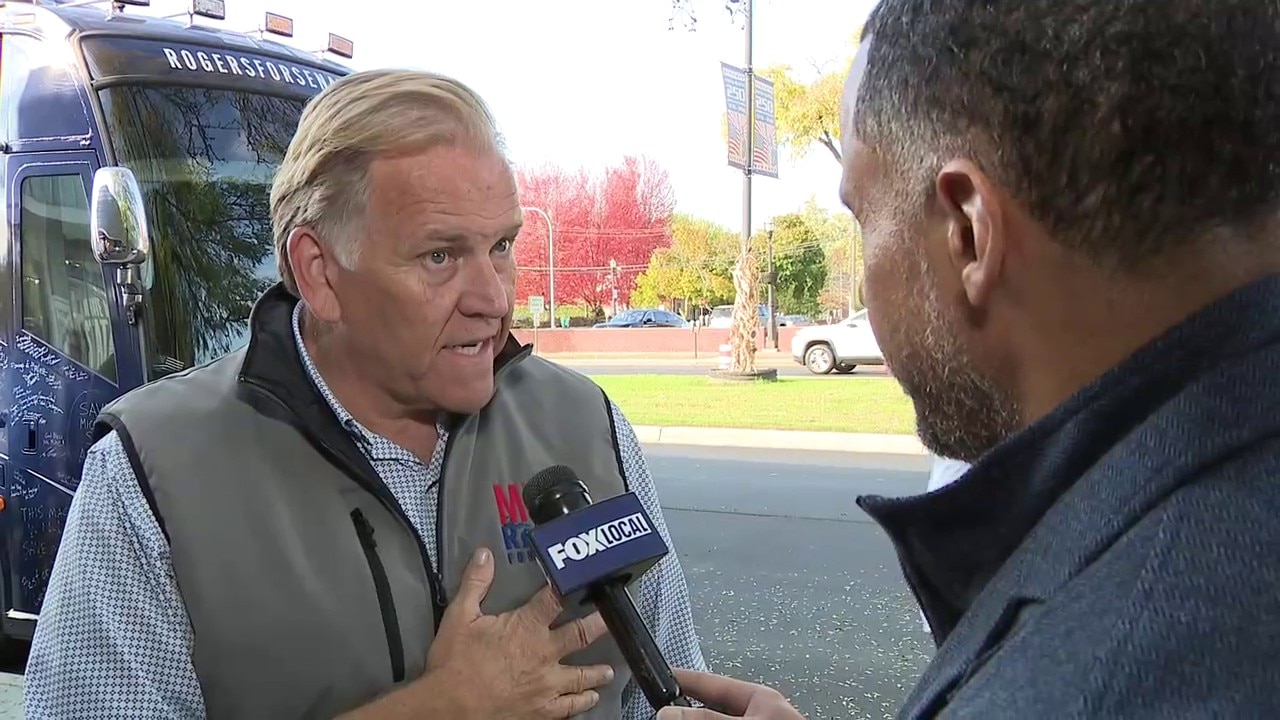
Senate candidate Mike Rogers goes 1-on-1 with Josh Landon
Republican Senate candidate Mike Rogers is in a critical midterm battle with Democrat Abdul El-Sayed. Rogers talks about his stance on the issues and more in this no holds barred interview.
The race has national implications with the Republicans holding a slim lead in the US Senate – which took center stage Sunday.
Democrat Congresswoman Haley Stevens shook up the race by publicly endorsing Rogers Sunday, against El-Sayed.
It is also a study in contrasts, with Rogers, a political veteran, having served in the US House for 14 years. Prior to that, he lost the last election cycle to now-Sen. Elissa Slotkin by a razor-thin margin.
El-Sayed is a political outsider whose only previous run for office was an unsuccessful bid for governor in 2018.
A former director of both the Wayne County and Detroit health departments, he is endorsed by progressive champions Sen. Bernie Sanders and Rep. Alexandria Ocasio-Cortez.
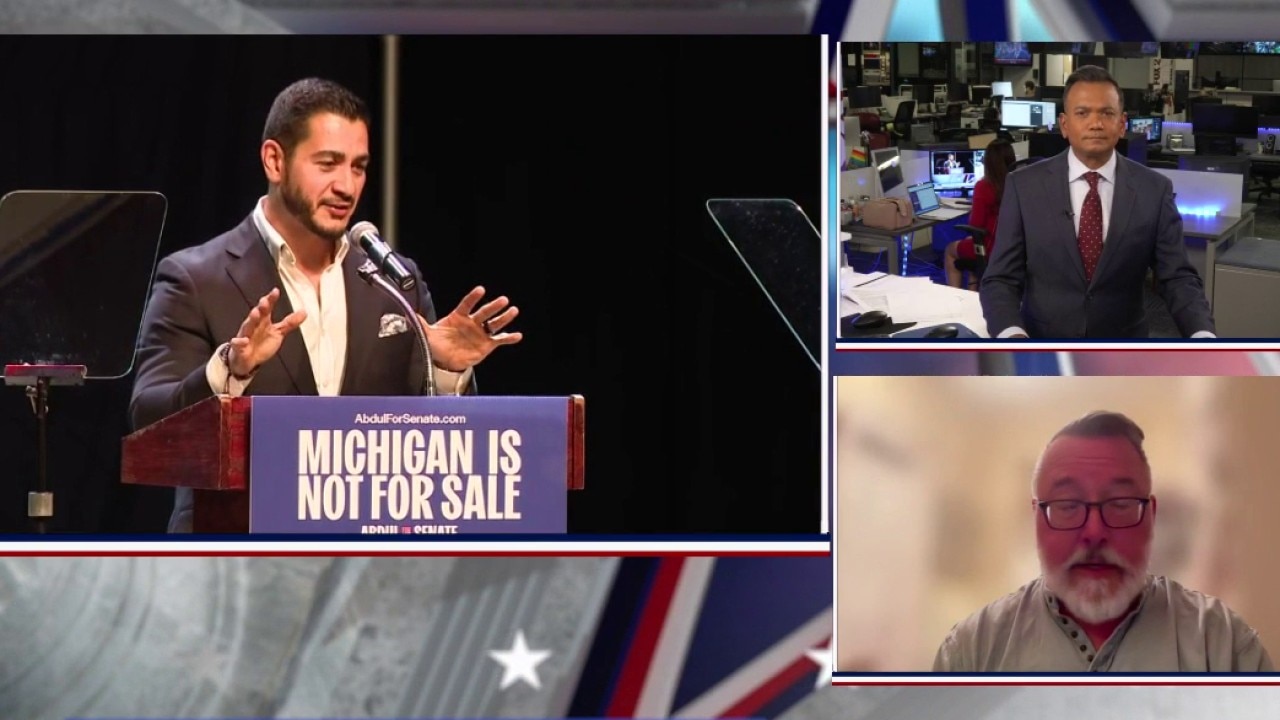
Peter Trumbore talks about Mike Rogers/Abdul El-Sayed election after Haley Stevens endorsement
Dr. Peter Trumbore called the endorsement a "bombshell" but said he doesn't know how much of an impact it will actually have. Trumbore said he thinks the Rogers campaign will be disappointed in the impact.
Chasing History:
El-Sayed became the first Muslim candidate to clinch a major party nomination for the U.S. Senate in American history. If he wins, he would be the first Muslin US senator in history.
If Rogers were to win, he would be the first Republican U.S. Senator from Michigan since 1994.
Attorney General race
Big picture view:
The Michigan attorney general is the state's top law enforcement official and lawyer. Current AG Dana Nessel is term-limited and cannot run again.
- Democratic candidate: Eli Savit
- Republican candidate: Doug Lloyd
Secretary of State race
Big picture view:
The Michigan Secretary of State is the chief election officer and chief motor vehicles administrator. Current SOS Benson is term-limited and running for governor.
- Democratic candidate: Garlin Gilchrist II
- Republican candidate: Anthony G. Forlini
Also on the ballot
Proposal 1:
Should Michigan rewrite its constitution? That’s the prop 1 question on voters’ ballots.
A ‘Yes’ vote would make Michigan hold a constitutional convention and start the process of drafting a new document to govern Michigan’s laws.
A ‘No’ vote would keep everything the same, although individual laws can always be changed with traditional ballot measures.
Proposal 2:
Should Michigan voters limit what sorts of companies can make political contributions?
Proposal 2 on the 2026 midterm ballot asks voters if they want to prohibit regulated utility companies and government contractors from making political contributions.
Millage Questions
Local governments struggle to pass millages
Orion Township supervisor Chris Barnett gives insider perspective about what local government is dealing with, after public safety millages failed to pass in the August primary.
Zoo Millage: Voters in Wayne, Oakland and Macomb counties will vote whether to renew the current millage.
- The Detroit Zoo millage is for 10 years at 0.1 mill and is a renewal, not an increase.
If approved, about $8.8 million would be collected in the first year and go towards maintenance and operations at the 125-acre park, for about 2,000 animals.
Museum Millage: Voters in Oakland and Wayne counties are deciding whether to approve a 0.2 mill tax (20 cents per $1,000 of taxable value) for ten years, 2026 through 2035.
Approving the millage would cost about $30 a year on a home worth $300,000, according to those advocating for the renewal to:
- The Charles H. Wright Museum of African American History
- Detroit Historical Society
What is a millage?
Police and fire millages on the ballot in Oakland County
Other communities facing similar millage situations are Independence, Brandon Townships for police and Highland Township for fire.
A mill represents $1 for every $1,000 of a property's taxable value.
By the numbers:
To find out how much a millage is, multiply your property's taxable value by the number of mills and divide by 1,000 – keeping in mind the taxable value on your home is not the same number as how much your house is worth, and that it will be lower.
You can find the taxable value of your home on your tax bill or your government’s online database.
For more on the ballot:
The Source: Information for this guide is from previously published reports and both state and county ballots, and from the Michigan Secretary of State's office.