

Isle Royale campground closed due to heightened wolf interactions
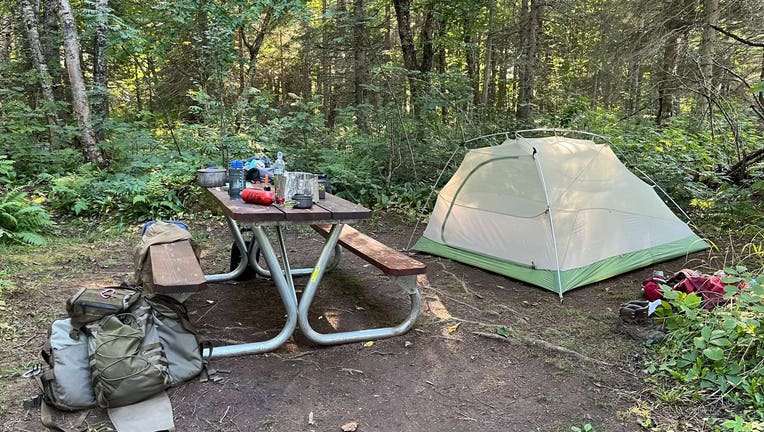
(FOX 2) - A very nosy wolf is creating issues for Isle Royale campers and forcing the National Park Service to close a campground.
Park staff announced on July 9 they would be temporarily closing Three Mile Campground to visitors, but keep the shelters open.
Isle Royale closing Three Mile Campground
What we know:
Over the past week, a wolf has made multiple appearances at Three Mile Campground on the eastern side of the island.
The National Park Service said the wolf has been sniffing and pawing at tents, dragging backpacks away from tents, and even entering one.
"The wolf has become increasingly bold, showing signs of habituation and a growing reliance on human food," the NPS said on social media.
The campground will remain closed until July 31. The closure may be extended into August if necessary.
Big picture view:
Wolves have long been a resident of Isle Royale and the focus of decades-long studies about their relationship with the other wildlife on the island.
However, as they grow more familiar with the campers on the island, the interactions can grow more dangerous.
Park staff have tried discouraging wolves by improving food storage, better recycling management, and even hazing.
During the Three Mile Campground closure, staff will be "intensifying hazing efforts during daylight hours in campground and developed areas to discourage the wolf from returning."
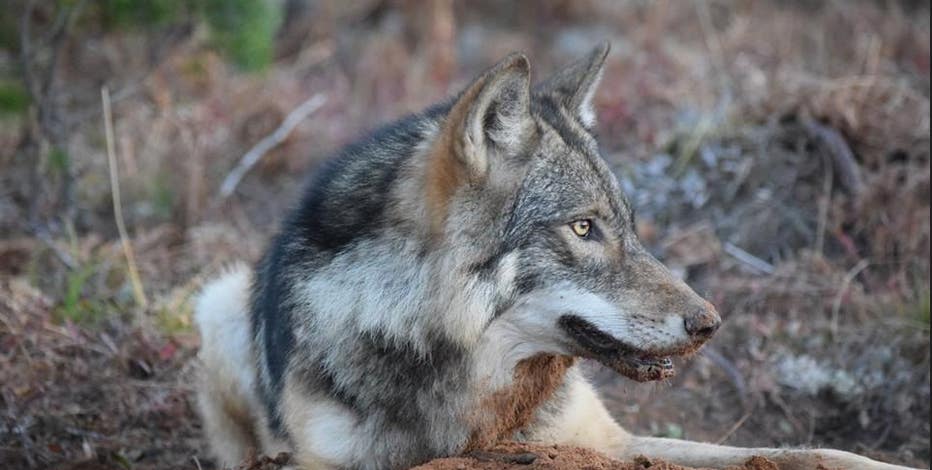
Isle Royale staff kill wolf that grew too reliant on visiting campers
Managers of the remote island made the decision after noting the wolves had grown reliant on human food sources and had been spotted dragging away food storage bags and backpacks "at numerous campsites."
Hazing Wolves on Isle Royale
Dig deeper:
Methods that park staff use to ward off wolves include "loudly shouting, stomping, clapping, sounding airhorns, and discharging paintball guns."
More noise-producing devices will be installed at nearby campgrounds like Rock Harbor and Daisy Farm.
The Source: The National Park Service was cited for this story.