

Kratom ban proposed by Michigan lawmakers
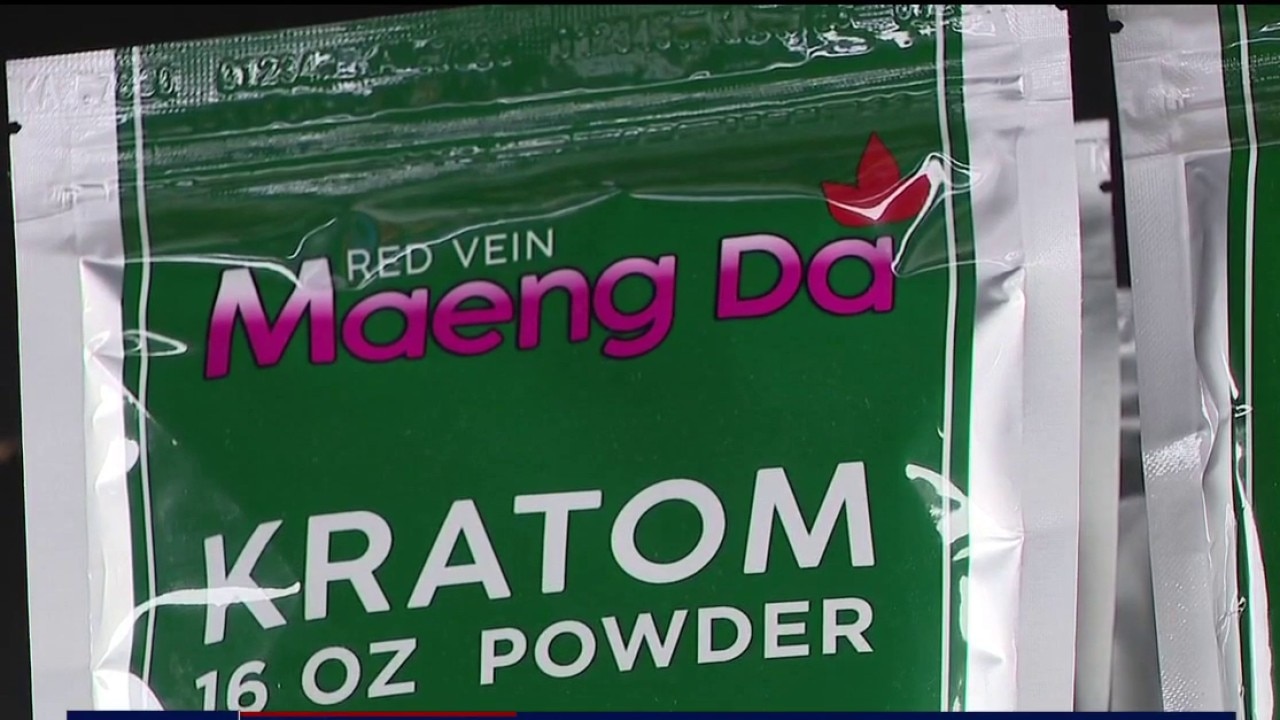
New bill proposal would ban all kratom in Michigan
A bill recently introduced in Michigan would ban both the production and sale of kratom, a herbal extract available at gas stations, smoke shops, and more.
LANSING, Mich. (FOX 2) - A bill recently introduced in Michigan would ban both the production and sale of kratom, a herbal extract available at gas stations, smoke shops, and more.
Last year, Rep. Cam Cavitt (R-Cheboygan) introduced a bill to regulate the substance and ban a potent derivative of kratom, 7-hydroxymitragynine (7-OH). That bill was last referred for a second record in the House in November 2025.
The new bill, also sponsored by Cavitt, would take it a step further by fully banning kratom, not just the derivative.
House Bill 5537 would prohibit any "product containing any part of the plant Mitragyna speciose, whether growing or not; the leaves of that plant; any extract or resin from any part of that plant; and every compound, salt, derivative, mixture, or preparation of that plant or its leaves, seeds, or extracts." This includes synthetic variants of kratom.
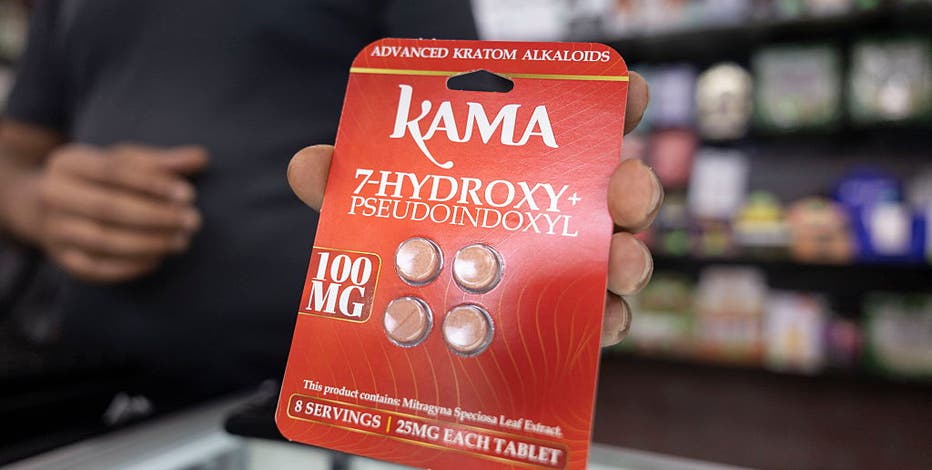
Kratom crackdown: Michigan lawmakers seek to regulate substance after man dies from 'gas station heroin'
Michigan lawmakers are working to regulate kratom. It comes after a potent derivative of it, 7-hydroxymitragynine, killed a man in the state.
The bill also sets penalties for violators, if it were to become law. This includes jail time and fines, with heftier punishments for those caught selling the substance to minors.
Local perspective:
Kratom can lead to liver toxicity, seizures, and substance use disorder, according to the Food and Drug Administration (FDA). In rare cases, it has also been associated with death, the FDA said.
FOX 2 previously reported on the death of a Metro Detroit man, who died after taking 7-hydroxymitragynine, a derivative of kratom that is even more potent than kratom. It can be found in many forms, including tablets, gummiest, and drink mixes.
Big picture view:
In addition to the local lawmakers hoping to crack down on kratom, federal officials have been working to restrict 7-hydroxymitragynine, also known as 7-OH and 7-Hydroxy.
In 2025, the FDA sent warning letters to several companies accused of illegally distributing products containing 7-OH. The administration also sent a letter to health care providers warning them about the dangers of 7-OH.
Last July, the FDA recommended that the Drug Enforcement Administration (DEA) move to classify 7-OH as a controlled substance.
"Vape stores are popping up in every neighborhood in America, and many are selling addictive products like concentrated 7-OH. After the last wave of the opioid epidemic, we cannot get caught flat-footed again," said FDA Commissioner Marty Makary, M.D., M.P.H. "7-OH is an opioid that can be more potent than morphine. We need regulation and public education to prevent another wave of the opioid epidemic."
The other side:
According to Mayo Clinic, people who use kratom have reported that it acts as a stimulant, reduces pain, and leads to a calm feeling.
Despite these potential benefits, the Drug Enforcement Administration has named kratom as a Drug and Chemical of Concern, and health officials have warned about possible side effects of using kratom or its derivatives.
What's next:
The bill has been referred to the House Committee On Regulatory Reform. A date for the committee to hear it has not been set.
The Source: A copy of the bill was used. Information from the Mayo Clinic, DEA, and previous reporting was also referenced.