

Livonia police use 'Grappler' to stop suspect in I-275 chase
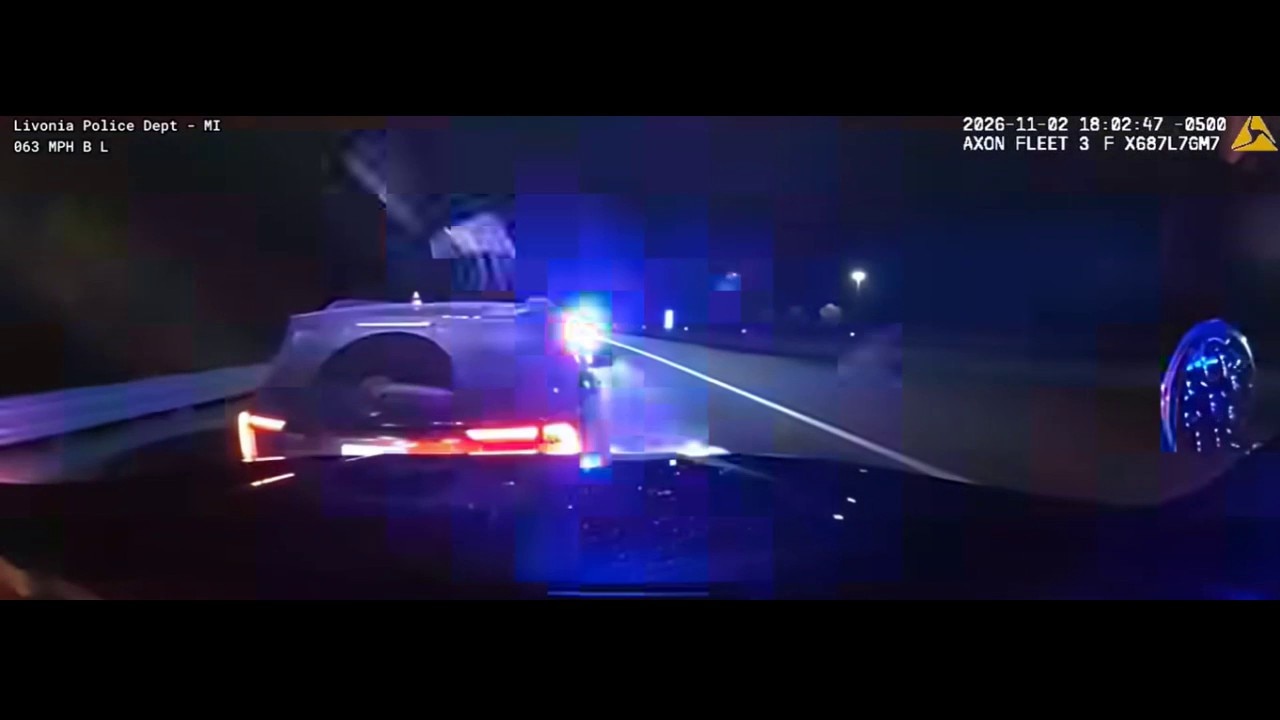
Livonia police use 'Grappler' in I-275 chase
A hit-and-run suspect from Hazel Park had their car safely disabled on Monday in new video from the Livonia Police Department.
FOX 2 - A Hazel Park suspect did not make it through Livonia, after a run-in with the police department's "Grappler" device.
The backstory:
On Monday night Hazel Park police reported that a hit-and-run suspect was being pursued after the driver allegedly was in a crash and fled the scene.
The chase went westbound on I-96 and northbound through Livonia. LPD joined the pursuit just before 6 p.m. and a patrol vehicle equipped with the "Grappler" joined the chase.
In newly released dashcam video, the LPD sergeant driving the cruiser pulls up behind the suspect and deploys the grappler, hooking on to the vehicle.
The suspect's vehicle, after being snagged, is then disabled and pulls to the shoulder of the freeway.
"This incident is another excellent example of how innovative technology can make a difference in keeping our communities safe," said a statement from the department. "The Grappler Police Bumper allowed officers to successfully end the pursuit without injuries or additional property damage."
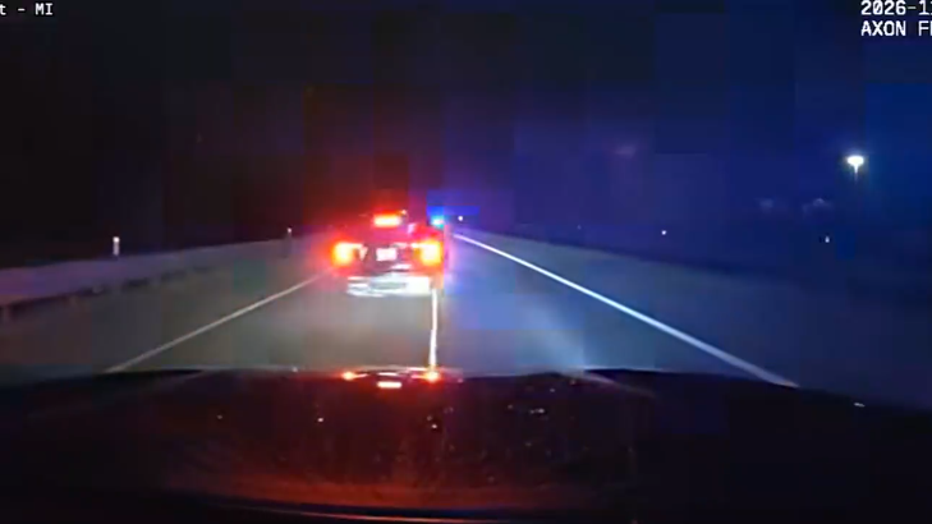
Screenshot from Livonia police Facebook page video.
What is the ‘Grappler’?
Dig deeper:
The Grappler is a device that uses a heavy-duty nylon net deployed from the front of a pursuing police vehicle, and the net wraps around the rear tire of the suspect vehicle, bringing the pursuit to a controlled stop.
The Grappler's inventor, Leonard Stock is from Peoria, Arizona and was a roofer for three decades. He dreamt up the idea, as a way to safely end police pursuits.
The police vehicle needs only 7 inches of ground clearance at the back of the vehicle and a 5-mile per hour closing speed is enough to engage the Grappler on a tire.
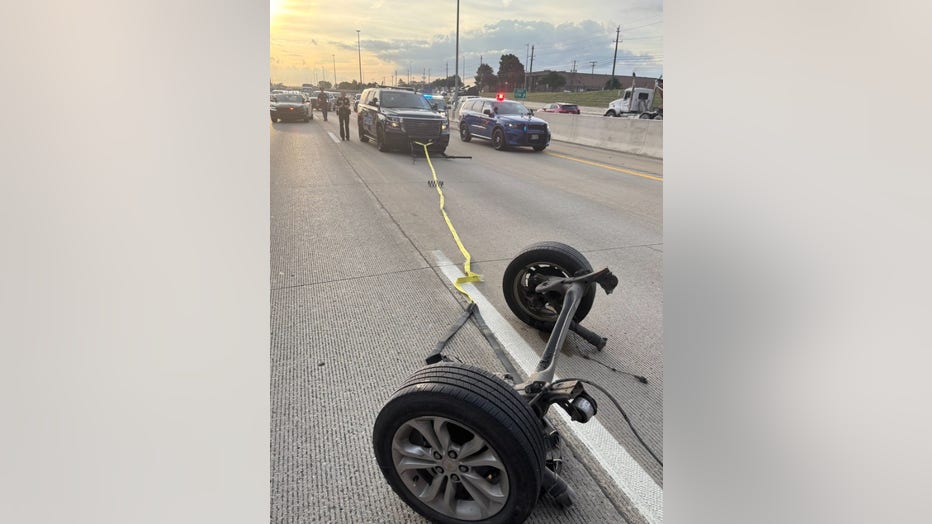
One driver in a separate case kept driving and lost their rear axle. (Photo: MSP)
How the Grappler works
The tether connecting the webbing is accordion-stitched and breaks away gradually as the vehicle is brought to a halt.
The typical extended length of 30 to 40 feet starts out at 15 or fewer stitched feet. (The net must be replaced after each capture), according to an article in Motortrend.
The net then typically tangles and ties itself to the rear axle, stopping the wheel.
Officers usually use a ‘PIT Maneuver’ (Precision Immobilization Technique) to try to stop the vehicles by butting the front of their cruiser into the rear corner panel of the suspect's car, causing them to spin out.
The Source: Information for this article is from Livonia police and reports from FOX 9 Phoenix and Motortrend.