

Michigan wants to fight invasive plant with non-native weevils
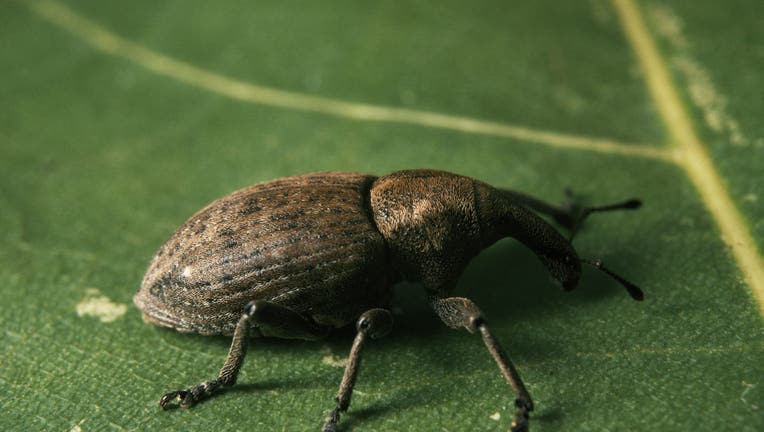
UNSPECIFIED - CIRCA 2002: A weevil (Lepyrus palustris), Curculionidae. (Photo by DeAgostini/Getty Images)
(FOX 2) - Michigan wants to bring in reinforcements to fight an invasive plant. The potential solution includes another species that is not native to the state.
Spotted knapweed? Meet the weevil.
Specifically, the seedhead and root boring weevil, two out-of-state insects that exclusively feed on the invasive weed.
The state believes the best approach to managing the thistle-like plant involves a variety of methods, ranging from physically ripping out the knapweed, herbicides, and biological controls.
Fighting invasive knapweed
The Michigan Department of Agriculture and Rural Development is seeking input from the public about its plan to deploy two non-native weevils to fight back the plant.
While the seedhead weevil is already widespread in Michigan, the root boring weevil is not.
Both have already been approved by the federal government for the same purpose. The state believes there is low risk to its native crops if it did introduce the weevil.
Big picture view:
Spotted knapweed was introduced in the U.S. in the 1890s via commercial seed imports from Eurasia, according to MDARD.
It's often found in heavily disturbed sites, including roadsides, gravel pits, and agricultural field margins. However, dunes, prairies, and woodlands can also house the plant, which is identified by its bushy character, grayish-green leaves, and pinkish-purpose flowers that bloom in the late summer.
A single plant can produce thousands of seeds, giving it ample opportunity to spread.
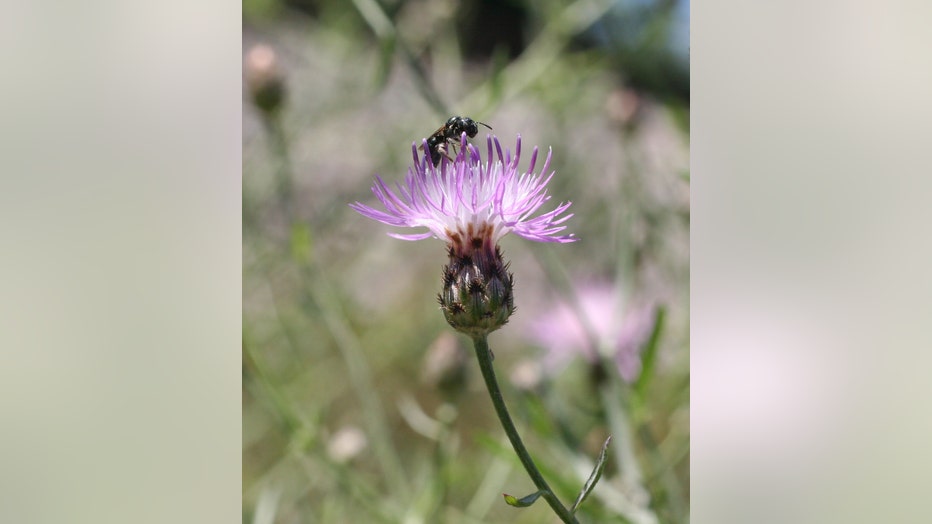
Spotted Knapweed. Photo via Michigan State University
Dig deeper:
Introducing an insect into an environment can have unintended consequences because it adds a new variable to an ecosystem.
However, because one weevil is already here and both feed only on the targeted plant, they're believed to be the best form of control for spotted knapweed.
While the knapweed has been shown to be a popular choice for native pollinators, the plant has out-competed other native plants, reducing biodiversity. It's also has a more insidious quality because it produces chemicals that can inhibit growth nearby.
Spotted knapweed also degrades soil and water resources.
What you can do:
The pitch from the government includes four different permits: a blanket approval of releasing weevils around the state, conditional approvals that allow permits on a case-by-case basis, a research-only permit that would allow weevil introduction in controlled settings, or no approval at all.
The public is asked to weigh in on the state's options by March 6, 2026.
That can be done via an online survey, which can be found here.
The Source: The Michigan Department of Agriculture and Rural Development was cited for this story.