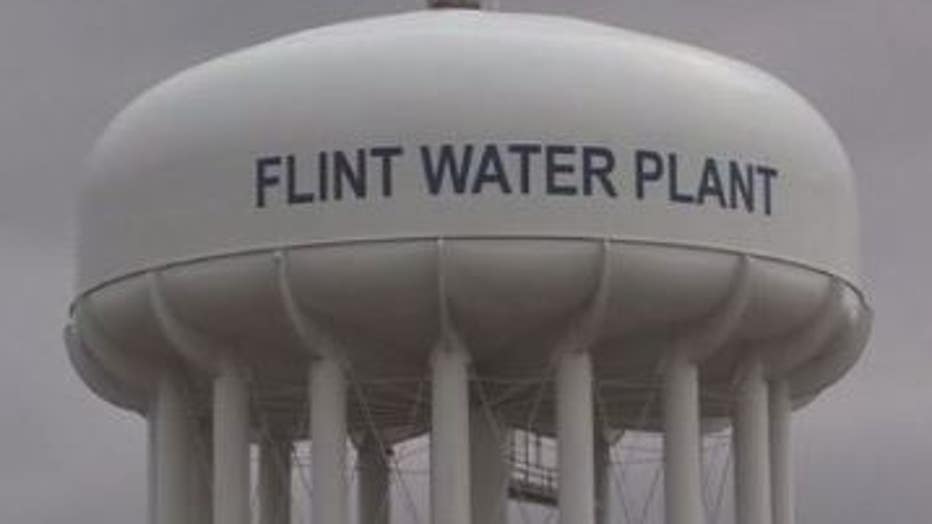
EPA ends Flint drinking water emergency order
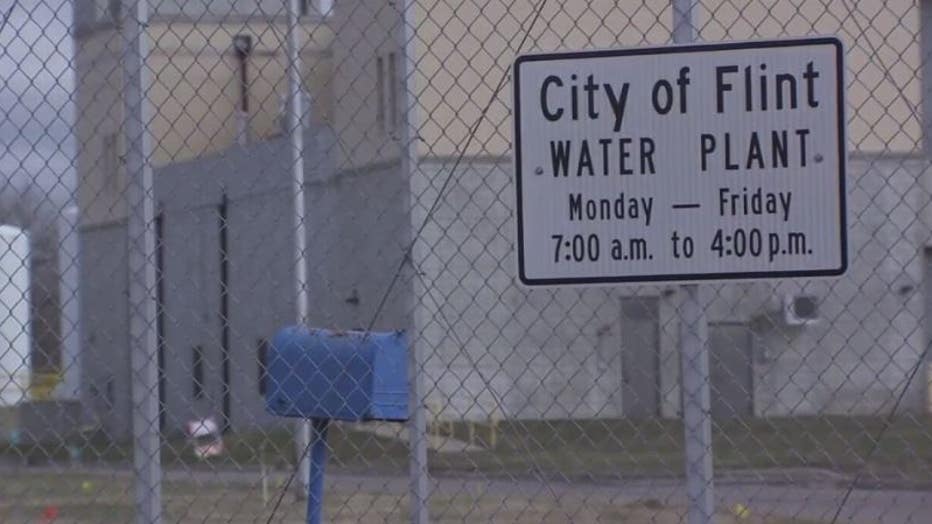
FOX 2 - The US Environmental Protection Agency announced the City of Flint has completed all requirements of the Safe Drinking Water Act emergency order, which will now be lifted.
Big picture view:
EPA Administrator Lee Zeldin made the announcement Monday. The agency first issued the emergency order in January 2016 and the City of Flint and the State of Michigan have worked cooperatively with EPA to meet the requirements.
Water sampling showed Flint’s water system is now in compliance with lead standards, a milestone after years of work under the EPA's emergency order now being ended.
Flint officials developed a plan to optimize corrosion control treatment in its drinking water to address the EPA 2016 emergency order, it said.
The backstory:
The water crisis began in 2014 when state-appointed emergency managers appointed by former Governor Rick Snyder took Flint off of a regional water system and began drawing from the Flint River to cut costs.
They never treated the water to lessen its corrosiveness and as it flowed through old pipes lead-filled water flow into people’s homes.
Tens of thousands of residents were exposed to dangerous levels of lead, and outbreaks of legionnaires disease killed at least 12 people and sickened dozens more.
The state eventually agreed to pay $600 million as part of a settlement with Flint residents.
More on the Flint Water Crisis:
- Michigan Supreme Court says indictments invalid in Flint water crisis, wipes charges against Snyder and others
- Flint drinking water meets state, federal lead standards for 5 years in row
- 'Flint is not fixed': Activists demand change years after water crisis started
More recently, Flint’s water system has continually tested below action levels for lead since July 2016. The city has also replaced over 97% of legacy lead pipes carrying water to homes, known as lead service lines.
In 2021 Flint announced it met state and federal standards for lead in drinking water for its fifth year in a row after testing below action levels of the federal Lead and Copper Rule during 10 consecutive monitoring periods since July 2016.
What they're saying:
"Today we celebrate nearly a decade’s worth of hard work and partnership at the local, state, and federal level to ensure the residents of Flint, Michigan, have access to clean, safe drinking water," said Zelden in a release.
"Even though the emergency order is lifted, all levels of government must continue to stay in contact and work closely to be a continued resource for the Flint community and ensure their water remains pristine."
Flint Mayor Shelden Neeley released a statement marking the accomplishment.
"The lifting of the EPA’s emergency order is a powerful testament to the strength, and advocacy of Flint residents," he said. "For nearly a decade, we have worked tirelessly to restore trust and integrity to our water system, as well as meeting rigorous standards.
"While this milestone marks progress, our commitment to clean, safe drinking water remains unwavering. We will continue to advance infrastructure, strengthen safeguards, and ensure that the mistakes of the past are never repeated. Flint families deserve nothing less."
The end of the order returns Flint to its regular, ongoing requirements of the SDWA and its regulations, which are primarily overseen by the Michigan Department of Environment, Great Lakes and Energy.
EGLE will maintain compliance, including overseeing implementation of the water system plan to ensure ongoing technical, managerial, and financial capacity necessary to operate and maintain the city’s water system, the EPA said.
The Source: Information for this story came from the EPA and previous reports by FOX 2 on the Flint water crisis.