

Hepatitis B vaccine recommendation: Michigan opposes CDC panel's reversal on decades-old recommendation

CDC panel changes Hepatitis B vaccine recommendations
The CDC's vaccine advisory panel changes decades-old guidance when it comes to infants receiving the Hepatitis B vaccine. A Metro Detroit doctor weighs in on the impact this could have. Plus, discussing what's driving the toxic discourse on social media
(FOX 2) - The Michigan health department came out against new guidance from a CDC panel that last week ended a decades-long recommendation for the hepatitis B vaccine for newborns.
Following the reversal of the longstanding policy that babies receive the hepatitis B vaccine within 24 hours of being born, MDHHS announced it "strongly disagrees" with the change.
Parents should instead follow the immunization schedules of other pediatric and physician groups.
The backstory:
The CDC advisory panel's updated recommendation was announced last Friday.
The entire advisory panel was appointed by Health and Human Services Secretary Robert F. Kennedy, who is a vocal skeptic of vaccines and has overseen major changes to policy. He previously fired the entire 17-member panel in June and replaced it with a group that includes several anti-vaccine voices.
The new recommendation says only babies whose mothers tested positive and in cases where the mom wasn't tested should get the HepB shot.
For all other babies, it will be up to parents and their doctors to decide whether to get the vaccine at birth. The committee's suggestion included recommendations that families that don't get the birth dose to start the vaccine series when the child is 2 months old.
Their reasoning was that the risk of infection for most babies is low and earlier research found that shots were safe for infants was inadequate.
The CDC's acting director will have final say on whether to accept the panel's recommendation.
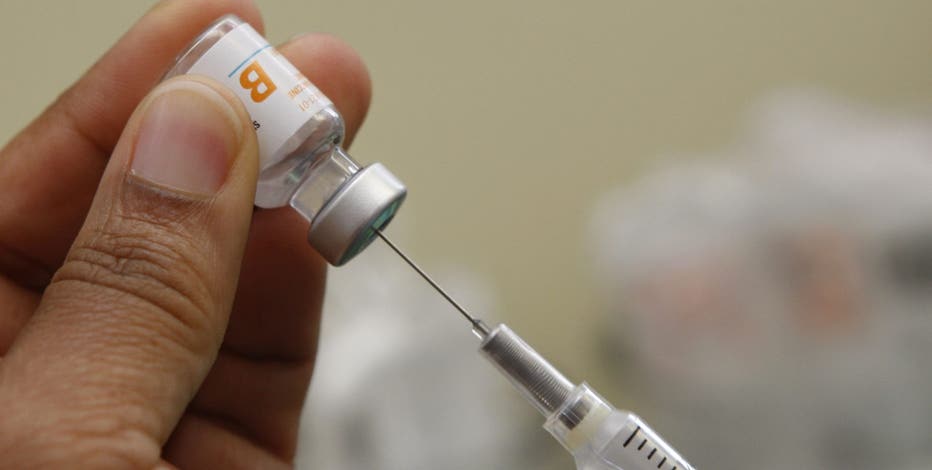
CDC panel recommends changes to hepatitis B vaccine schedule: What to know
A CDC advisory panel appointed by Health Secretary Robert F. Kennedy Jr. no longer recommends that babies get a hepatitis B vaccine at birth.
Backlash to CDC change in recommendation
The shift in policy was met with backlash immediately after it was announced, including from both public health experts and physicians.
Public health studies largely contradict the panel’s arguments. Since the introduction of universal hepatitis B vaccination at birth in 1991, infant infections have been nearly eliminated, with a 95% drop in pediatric cases, according to a University of Minnesota study.
The current vaccination strategy has prevented more than 6 million hepatitis B infections and nearly 1 million hepatitis B-related hospitalizations, the study found.
What they're saying:
"The Michigan Department of Health and Human Services strongly disagrees with the decision made by the Advisory Committee on Immunization Practices today to delay the hepatitis B birth dose and urges families and providers to follow the immunization schedules from the American Academy of Pediatrics and the American Academy of Family Physicians."
The AAFP's website recommends newborns receive 1 dose of HepB before a second dose over three months. A third dose is recommended at six months.
The AAP's website also recommends a similar schedule. It can be found here.
What is Hepatitis B?
An estimated 1.6 million people in the U.S. are chronically infected with the hepatitis B virus.
The virus attacks the liver. About 90% of infants infected at birth develop a chronic infection. About one in four kids infected at birth will die prematurely from liver disease.
The vaccine has been in sue for 20 years, aiding in the virtual elimination of the disease among children and adolescents.
Delaying the birth dose will lead to new infections, impacting tens of thousands of children, studies have found.
The Source: The Michigan health department and previous reporting was cited for this story.