

Independent study finds Detroit Land Bank has made $2 billion value increase
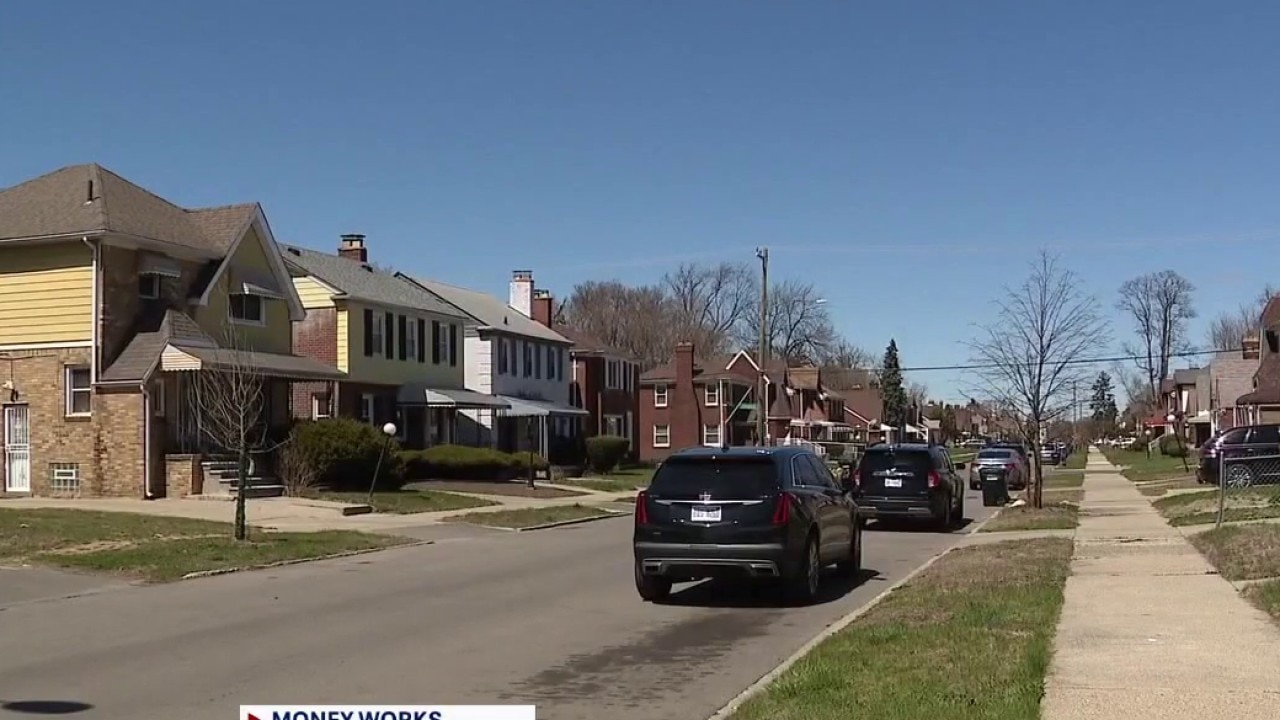
New study shows economic impact of Detroit Land Bank
For 11 years, the City of Detroit has tackled blighted structures and increased property values while transforming neighborhoods.
DETROIT (FOX 2) - Twelve years ago, the Detroit Land Bank began the large-scale operation of demolishing and renovating tens of thousands of blighted homes.
The backstory:
In 2024, the Land Bank became the largest in the country managing over 66,000 properties. It’s goal is to increase the property value of neighborhoods.
A new independent study shows that over a 10-year period, the impact on homes in Detroit after blight was removed or transformed, is measured at $2 billion.
But we wanted to know what does a $2 billion transformation really mean to the residents.
Tammy Daniels is the CEO of the Detroit Land Bank.
"We are the owner of vacant, abandoned residential property charged with returning that property to productive use," she said.
When Daniels joined in 2015, foreclosed properties used to come from Wayne County by the thousands. And the pace that the real estate gets turned around, is staggering.
In just 11 years, the Detroit Land Bank acted on 43,000 properties.
"Like a team that is actually pumping out 10 properties a day on average, in Detroit for every single day for 11 years, it’s an unprecedented effort," said Nigel Griswold, founder of Griswold Consulting Group.
Griswold has been studying land banks for years.
"What we knew for sure, is that is blighted structures had a huge negative affect on the neighborhoods," he said.
His firm just wrapped up an in-depth look at the Detroit Land Bank, specifically attaching a dollar amount to the effort.
"So how does that affect the property tax revenues," Griswold said. "People paying their taxes, that is good for services (and) it has the whole knock-down effect."
"This work is intentional, it’s one house at a time, one block at a time," Daniels said.
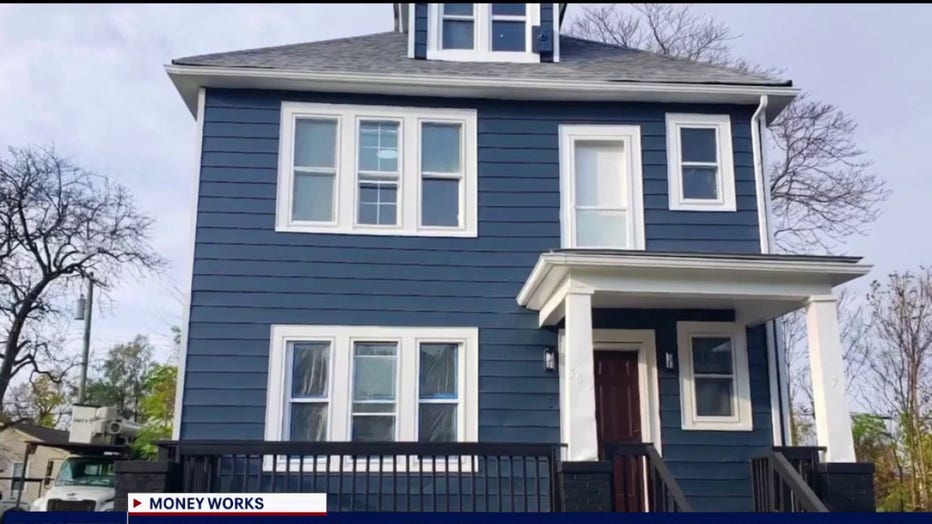
According to the study, 6,000 people have become Land Bank home owners in Detroit, with 13,000 structured were rehabbed and 31,000 pieces of properties were turned into side gardens, yard space and parks over those 10 years.
"Creating a clean slate for neighbors and residents to reimagine their neighborhoods," Daniels said.
Think of it this way - say, a three-bedroom home in 2014 in Detroit was valued at $25,000 because the neighors left a vacant, delapitated house bringing down your property value.
"Today, maybe it is worth $125,000," said Griswold.
When you add up the total amount of times a scenerio like that played out, it equates to $2 billion. And to those who say the buyers are speculating companies looking to cash in on cheap land?
"Eighty-two percent of our buyers are Detroiters and for our vacant land sales it’s almost 90 percent," Daniels said.
Daniels says that is all by design. In fact the Detroit Land Bank currently only has roughly 750 structures in it’s inventory.
"Our goal is to work ourselves out of business because that means that the city is healthy," Daniels said.
The Land Bank uses an auction to sell properties. They typically start at $1,000 and run daily from 9 a.m. to 5 p.m.
For more information, find the link HERE.
The Source: Information for this report is from the Detroit Land Bank and Nigel Griswold, founder of Griswold Consulting Group.