

Oakland County RainSmart program expected to keep millions of gallons of water out of sewer - here's how
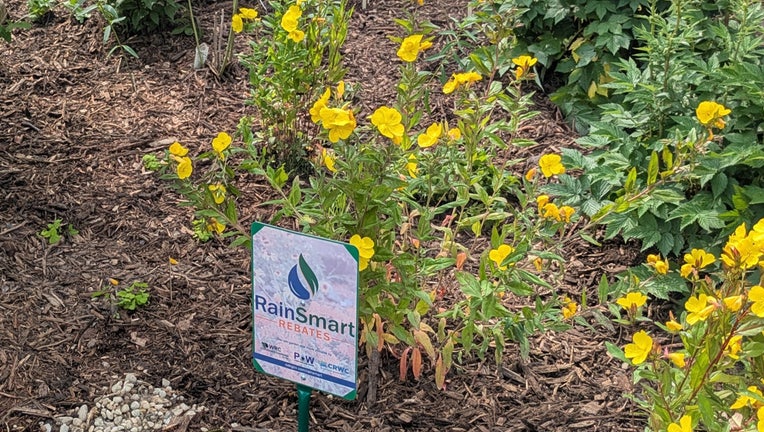
A rain garden installed as part of the program (Photo: Oakland County Water Resources Commissioner)
OAKLAND COUNTY, Mich. (FOX 2) - Two years of helping Oakland County residents install green infrastructure is expected to keep 1.4 million gallons of stormwater out of the sewer system annually.
During the two-year RainSmart Rebates pilot program, residents located in the George W. Kuhn Drain Drainage District were able to receive money to install rain gardens, rain barrels, and native trees to their yards.
Participants were able to install one garden, up to two trees, and two rain barrels after an evaluation of their property to determine which infrastructure would work best.
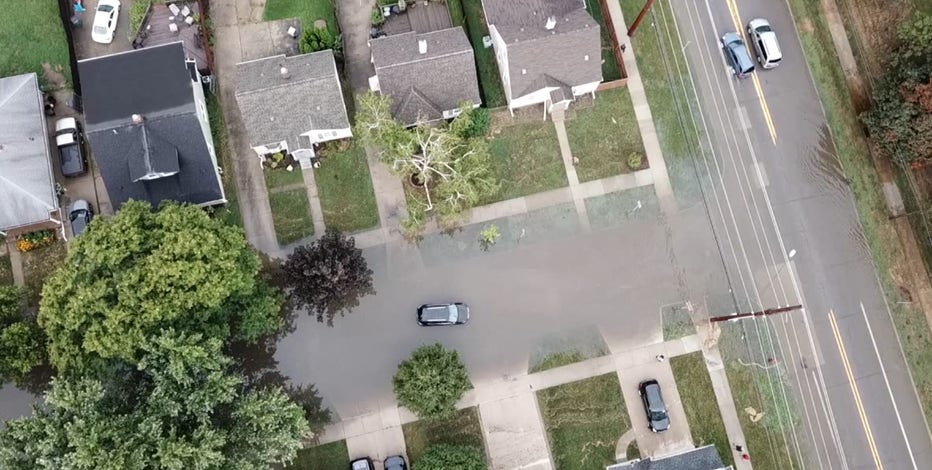
Michigan's severe storms highlight urgent need for better water management - What you can do
As powerful storms continue to hit Michigan, green infrastructure like rain barrels and rain gardens are becoming more important for mitigating flooding and water contamination.
By the numbers:
According to Oakland County Water Resources Commissioner Jim Nash, the second year of the program, which started in 2024 and just wrapped up, saw a 22% increase in participation from 2024.
This past year, 379 rain barrels, 199 native trees, and 105 rain gardens were installed.
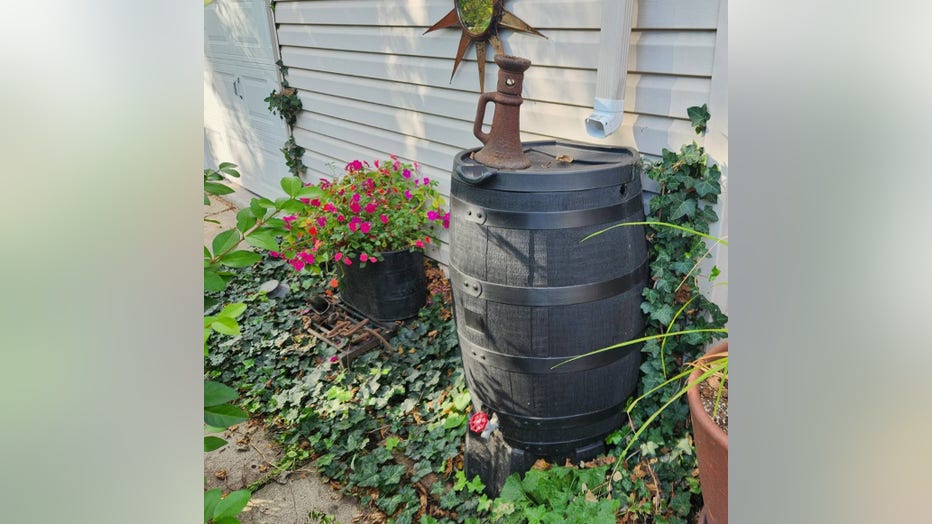
A rain barrel installation (Photo: Oakland County Water Resources Commissioner)
In 2024, there were 159 rain barrels, 98 trees, and 49 rain gardens installed.
Since the pilot began, nearly 300 residents have participated. A total of more than $176,000 rebates were distributed, with the average participant receiving $500 for their projects.
Why it matters:
Flooding is a major issue in many parts of Metro Detroit, especially in cities that are part of the George W. Kuhn Drain Drainage District, including all or part of Berkley, Beverly Hills, Birmingham, Clawson, Ferndale, Hazel Park, Huntington Woods, Madison Heights, Oak Park, Pleasant Ridge, Royal Oak, Royal Oak Township, Southfield, and Troy,
This is because it is a combined sewer system. In a combined system, wastewater and stormwater both flow through the same pipes, known as gray infrastructure, and go to a wastewater treatment plant.
This means that during periods of intense rain like Metro Detroit has been seeing more frequently, the system can get overwhelmed. The result? Flooded streets and backups into homes.
Also, there is a greater likelihood of contaminants making it into the system. This is a concern even for homes not on a combined sewer system.
Rain barrels, trees, and native plant gardens all help reduce the amount of rainwater that makes it to the sewer system.
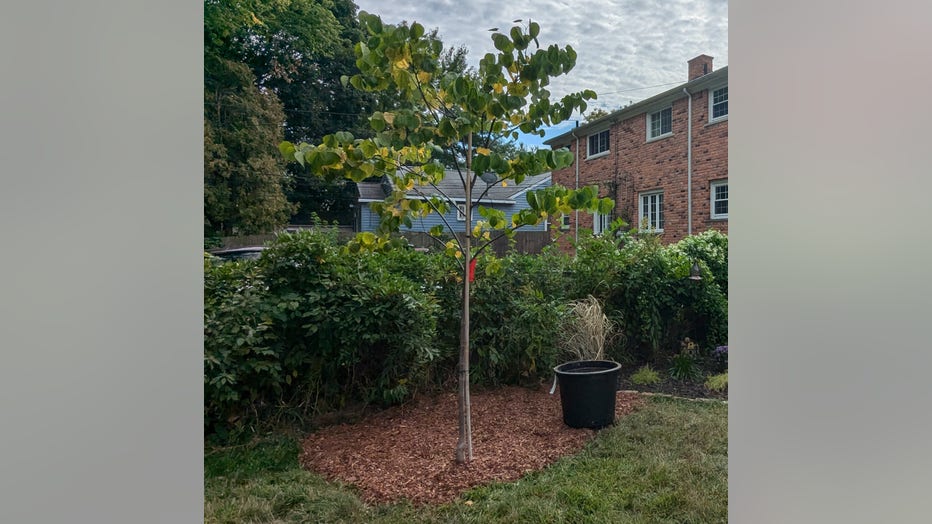
A native tree (Photo: Oakland County Water Resources Commissioner)
What they're saying:
Nash said the RainSmart Rebates program accomplished exactly what his office set out to do.
"By supporting homeowners with practical solutions at the neighborhood level, we’ve demonstrated how residential projects can become part of a broader stormwater management solution with lasting benefits," he said. "The program is now helping divert millions of gallons of stormwater each year — strengthening neighborhoods across the district. We are always looking for innovative ways to reduce stormwater and these projects help divert stormwater from our sewer system while providing benefits to homeowners."
According to Nash's office, homeowners who participated in the program valued the direction they received to make their yards more sustainable, and felt empowered to advocate for more green infrastructure in their communities.
The Source: This information is from a press release from Jim Nash and previous reporting, which included an interview with the water commissioner.