

Plan to gas geese paused by Michigan DNR

Michigan goose gassing plan paused
After a letter from lawmakers urging non-lethal methods for managing Canada geese populations, the Michigan Department of Natural Resources has paused its plan to gas birds in problematic areas.
DETROIT (FOX 2) - The Michigan Department of Natural Resources won't move forward with gassing Canada geese this year after lawmakers pushed back against the plan to kill the birds in problematic areas.
According to a letter to Sen. Dayna Polehanki (D-Livonia), the DNR will pause the euthanasia program in 2025 while it explores methods to manage conflicts between humans and geese.
"After further consideration and consultation of our wildlife staff, we have decided to pause the program for this year and will not be issuing any permits or conducting work on any sites, including Belle Isle Park," DNR Director M. Scott Bowen wrote in the letter addressed to Polehanki and other lawmakers who expressed concerns with the method of handling geese populations.
The backstory:
Under a pilot program which passed last year, the DNR was planning to round up Canada geese and kill them in gas chambers.
Several state lawmakers opposed this plan and penned a letter to the DNR asking for the department to halt lethal geese management efforts and instead use other methods to manage these populations, such as egg addling, habitat modification, trained canine patrols, aversive landscaping, laser and strobe light deterrents, radio-controlled boats, recordings of Canada goose distress, canine effigies, chemical repellents, and public education campaigns, the letter stated.
This policy violates the very principles of ethical wildlife stewardship that should guide wildlife management in our state and devalues life in our shared ecosystems. The mission of the Dept. of Natural Resources’ (DNR) Wildlife Division is to ‘enhance, restore, and conserve the state’s wildlife resources, natural communities and ecosystems for the benefit of current and future generations,’" the lawmakers wrote. "That mission cannot coexist with a policy that relies on inhumane killing, nor can it coexist with a disregard for the voices of Michiganders like me who oppose the gassing of geese due to nuisance complaints."
According to the lawmakers, up to 10,000 adult geese and their goslings could be subjected to the gas chambers in one year.
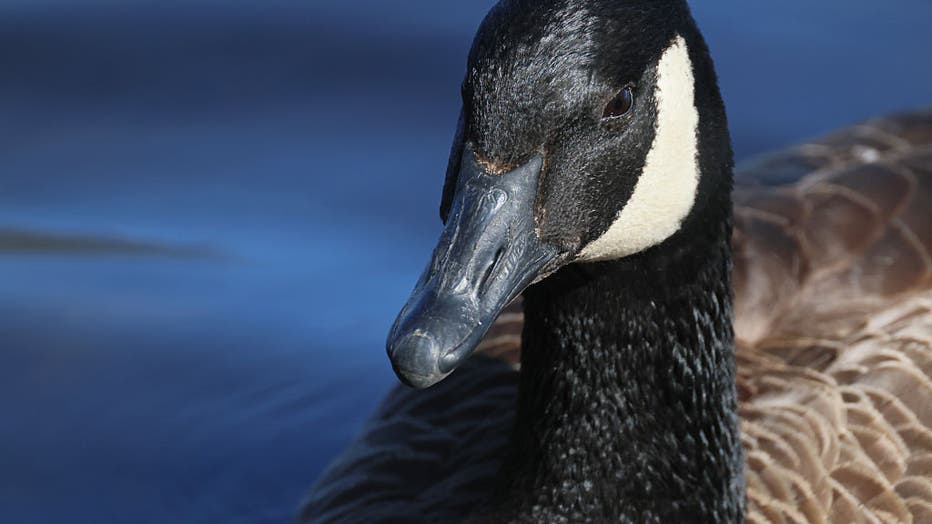
MASSAPEQUA, NEW YORK - MARCH 18: A Canadian Goose takes to the water at the Massapequa Preserve on March 18, 2025 in Massapequa, New York. The Long Island region is home to a large variety of wildlife. (Photo by Bruce Bennett/Getty Images)
The other side:
When the plan to gas geese first started receiving backlash, the DNR said the method would be reserved for serious human-goose conflicts, and would involve humane euthanasia.
"Ultimately, they will be humanely euthanized," said Kaitlyn Barnes, a waterfowl expert with the DNR. "We are using an American Veterinary Medical Association-approved euthanasia method."
At the time, Barnes stressed that the gassing would be a last resort, and problematic sites must qualify.
"We are strongly recommending that sites try a number of non-lethal techniques, before we land here," she said.
Barnes noted that the DNR has relocated Canada geese in the past, with up to 10,000 being moved a year, but that program was not sustainable.
What's next:
After receiving that letter, the DNR back-pedaled the plan, while noting it is part of a decades-long effort to reduce conflicts between humans and the geese.
While the euthanasia program is on hold, the DNR said it will continue to research alternative management efforts and encourage non-lethal methods of handling the animals.
"We will continue to encourage and prioritize non-lethal techniques for landowners, including habitat modification, elimination of feeding, scare tactics, repellents, and nest/egg destruction," Bowen wrote. "It is important for the health and safety of our citizens and the management of our natural resources that we continue to use the goose management tools at our disposal."
The Source: A letter from Michigan lawmakers, the Michigan Department of Natural Resources' response, and previous reporting were used to write this update.