

Safety tips after rash of fires in Detroit
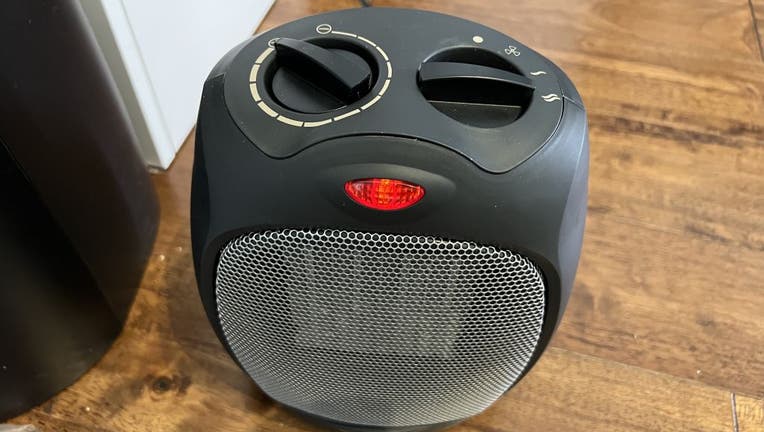
(Photo by Gado/Getty Images)
DETROIT (FOX 2) - After a rash of fires to start the week, the Detroit Fire Department is providing tips to keep yourself and your family safe.
The causes of the fires remain under investigation, but officials shared home heating safety advice, as keeping your home warm can be dangerous if not done right.
"Space heaters, furnaces, fireplaces, and other heating equipment make our homes comfortable during the coldest months," said Executive Fire Commissioner Chuck Simms. "But they also bring real risks if not used or maintained safely. Our firefighters stand ready to protect you if an emergency arises—but we’d much rather you stay safe and never need to make that call. Fire safety education is one of the most important parts of our mission because every fire prevented means lives and property saved."
Featured
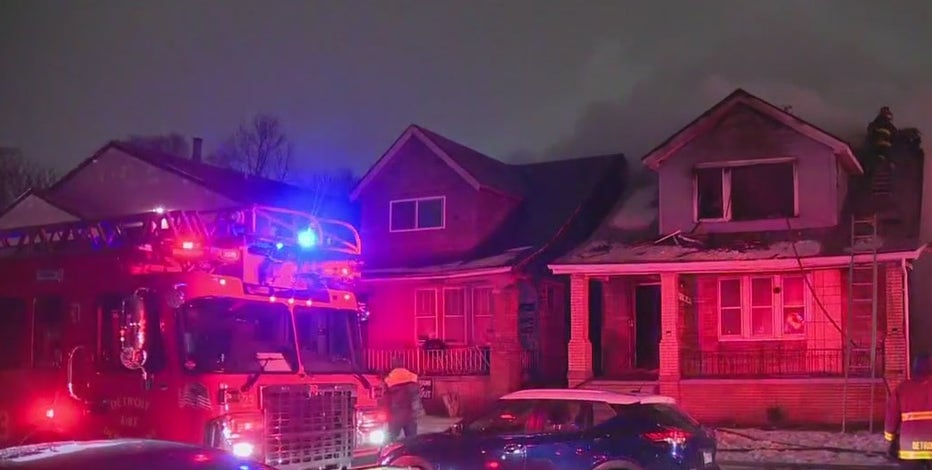
Detroit firefighters battle numerous fires early Tuesday
Detroit fire crews have been busy Tuesday morning, battling multiple overnight fires around the city.
Why you should care:
Half of all home heating fires occur during December, January, and February.
According to the National Fire Protection Association, heating equipment is the second-leading cause of home fires in the U.S., with these types of fires causing nearly one in five house fire deaths.
Space heaters are a leading cause of these fires, with these heaters responsible for four out of five house fire deaths caused by heating equipment, according to a press release from Detroit fire.
Space heater safety
Simms said space heaters too close to objects or plugged into the wrong types of outlets have led to fires in the city.
"It only takes a moment for a small mistake to turn into a devastating fire," Simms said.
He provided these tips:
- Place space heaters on a flat, stable surface, never on tables or furniture.
- Keep heaters at least three feet away from anything that can burn—curtains, bedding, clothing, furniture, and paper products.
- Create a five-foot "kid-and-pet-free zone" around every space heater.
- Plug heaters directly into a wall outlet, not a surge protector or extension cord, to avoid overheating and electrical fires.
- Turn off heaters when leaving a room or going to sleep.
- Keep heaters clear of walkways and never block an exit.
Carbon monoxide dangers
Carbon monoxide is odorless, colorless, and deadly, and when the temperatures drop and you're heating your home, you could be at risk of CO poisoning.
"People often assume that if their furnace or fireplace worked fine last year, it’s safe this year—but that’s not always the case," said Fire Marshal Don Thomas. "Take the time to have your systems inspected before the season starts. Look out for warning signs like strange smells, flickering pilot lights, or soot buildup. These can indicate problems that need professional attention. Prevention and early detection save lives."
Carbon monoxide detectors are key:
- Install carbon monoxide alarms low to the ground, near gas furnaces, dryers, or heaters.
- Test CO detectors monthly and replace them every 5–7 years.
- As tempting as it is, avoid using a stove, oven, or grill as a heat source.
- Keep gas and charcoal grills outdoors only—never in garages or enclosed spaces.
- Hire only qualified professionals to inspect or repair heating systems, fireplaces, and chimneys.
The Source: This information is from the Detroit Fire Department.