

Michigan roadside drug testing garners support, backlash as lawmakers push for change
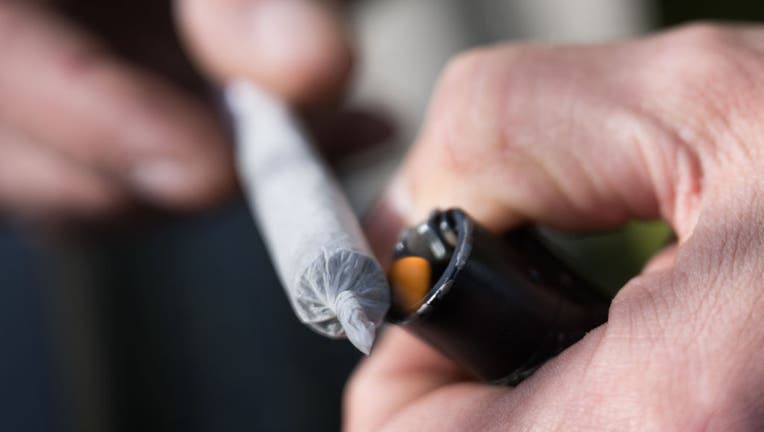
(Photo by Sebastian Gollnow/picture alliance via Getty Images)
LANSING, Mich. (FOX 2) - Under new bills making their way through the Michigan Legislature, police could swab your mouth on the side of the road and know within minutes if there are drugs in your system.
While the bipartisan bills are garnering support in the name of safety, strong pushback is also emerging.
Big picture view:
Under Michigan law, driving with a Schedule 1 drug, including marijuana, in your system is treated the same as driving under the influence of alcohol. However, while there is standardized roadside testing for alcohol use, a preliminary breath test, such testing does not exist for drugs.
Michigan State Police previously ran two iterations of a pilot program for roadside saliva drug testing, with the results of the oral tests compared to blood tests for the same substances, such as THC, amphetamines, cocaine, and more.
In its report after the pilot, MSP cited a study that found that oral testing has a short drug detection window. MSP concluded that blood testing for drugs still remains the "gold standard," but found that roadside saliva testing is "accurate for purposes of preliminary roadside testing."

Lawmakers weigh roadside drug testing in Michigan
Currently, bills that would allow Michigan police to drug test drivers on the side of the road are making their way through the Legislature. While supporters say this will improve safety on the roads, others say there are some major issues.
Drug-related crashes
By the numbers:
According to the most recent data from MSP, which compares 2022 crashes to 2023 crashes, drug-involved crashes were down 8% from 2022 to 2023, while drug-involved fatalities were up 3% year-over-year.
In 2023, drugs were found to be involved in 2,250 of the 287,953 crashes police reported that year, with 256 out of 1,095 fatalities involving drugs.
Evidence of drug use found after driver convulses, crashes into wall on I-94
Michigan State Police are investigating possible impairment after signs of drug use were found in a truck that a driver crashed into the wall of I-94 in Dearborn.
What they're saying:
"This testing capability is non-invasive, simple and reliable. It will help law enforcement when they have probable cause to conduct a stop and as they are working to protect the public," said Rep. Brian BeGole (R-Antrim Township), the sponsor behind House Bill 4390.
He went on to note that oral fluid testing would be administered after field sobriety tests and preliminary breath tests.
"One life lost on our roads because someone was driving while impaired by drugs is too many," BeGole said. "We should be embracing technology that gives law enforcement the tools they need to get impaired drivers off our roads."
Michigan State Police in need of more cops as drunk driving arrests drop
Drivers are bound to see more police on the road, stepping up patrols this holiday weekend, looking for drunk drivers during the Fourth of July weekend.
In addition to BeGole and the other lawmakers backing the roadside drug testing bills, groups have shown their support for such tests, including the National Traffic Safety Board (NTSB), the National Alliance to Stop Impaired Driving (NASID), and AAA, to name a few.
"House bills 4390 and 4391 will align Michigan with modern, evidence-based practices that save lives," wrote Craig Ryan with AAA in a letter supporting the bills.
The NHSB also provided written testimony supporting these initiatives.
"Given the added complexities of detecting drug-impaired driving, it is important that state laws facilitate, and not restrict, law enforcement from using all available proven tools," the board wrote. "Although some states still restrict alcohol and other drug testing to samples of blood, breath, or urine, our 2022 safety research report found that oral fluid is a valuable—but underused—biological specimen for detecting driver drug use, and it can support enforcement of impaired-driving laws."
The other side:
Not everyone is in support of roadside drug testing, though. Just as letters for the bills were received, other groups provided written testimony expressing concerns about this type of testing.
Gabrielle Dresner, a policy strategist with the American Civil Liberties Union (ACLU) of Michigan, penned a letter highlighting some problems the organization said the bills present. This includes the reasoning for needing such a law, concerns about reliability, and privacy fears.
The ACLU Michigan also worries about equal protection if the bills for roadside drug testing become law.
"As this bill broadens police search authority by instituting penalties on drivers who fail to comply with these tests, it increases the chance that traffic stop, search, and arrest disparities will worsen," Dresner wrote after noting how Black drivers in Michigan make up about 21% of all drivers stopped by police despite making up only 14% of the population.
Amie Carter, the president of the Michigan Weedsters Association (MWA), also wrote a letter urging lawmakers to vote against the bills, citing concerns about legal cannabis users being targeted even when they are not impaired.
"There is no compelling public safety justification for this legislation," Carter wrote, pointing to no evidence of increased driving incidents involving marijuana. "Law enforcement already has tools to assess impairment, including field sobriety testing and drug recognition protocols."
What's next:
Both HB 4390 and 4391 have cleared the House and have been referred to the Committee on Civil Rights, Judiciary, and Public Safety for further consideration.